The Chinese and Asian Art Forum. For Fans, Collectors and Dealers.
 Basic Rules For the BidAmount Asian Art Forum: Talk about whatever you want. You can even discuss and offer things that are for sale if they are authentic. Maximum image file size per post is 2 MB. Images of 700pxl x 700pxl are optimal if saved at a medium resolution. Be respectful of others and enjoy yourself. Click the YouTube link for a brief tutorial on using the forum. You can also EMBED Videos by cutting and pasting from You-Tube, Vimeo etc.
NOTE: To post an item or add a new post, click open the category title from the FORUM LIST, and CLICK the Blue ADD TOPIC button.

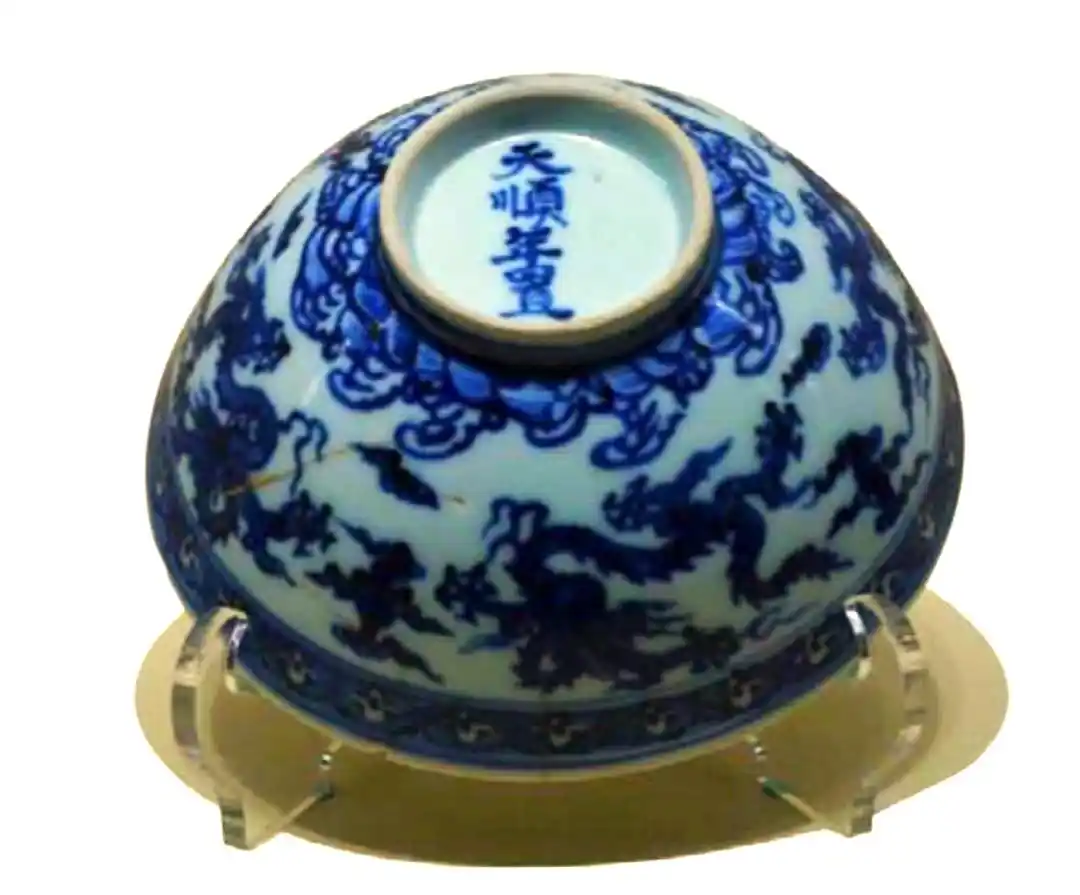
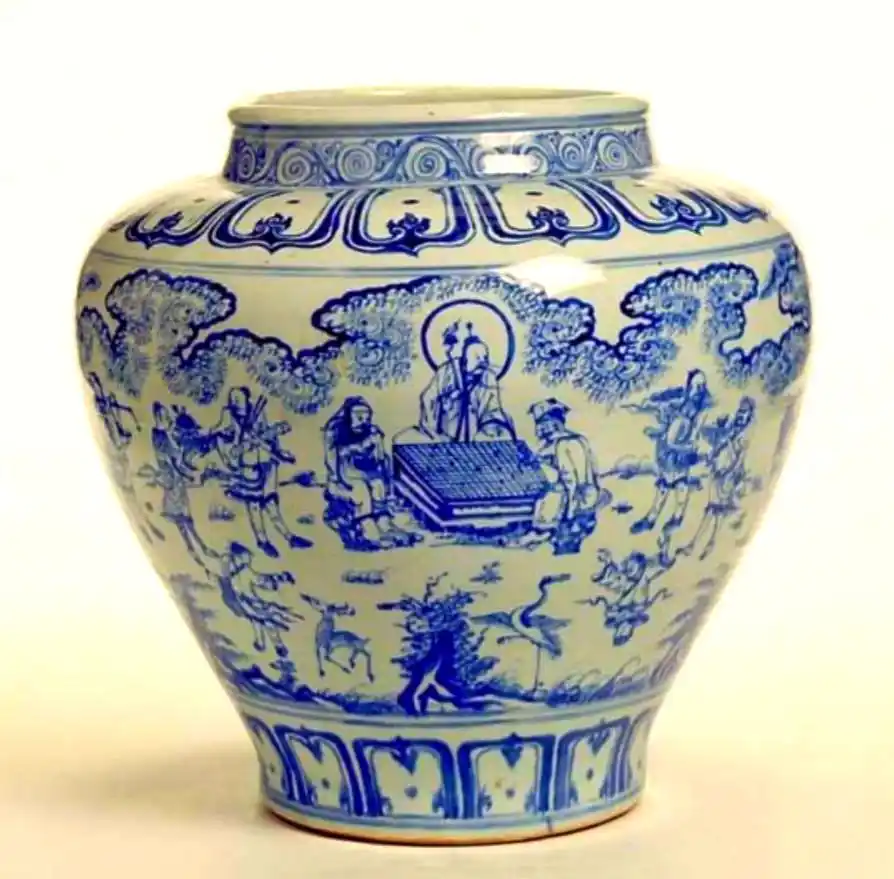
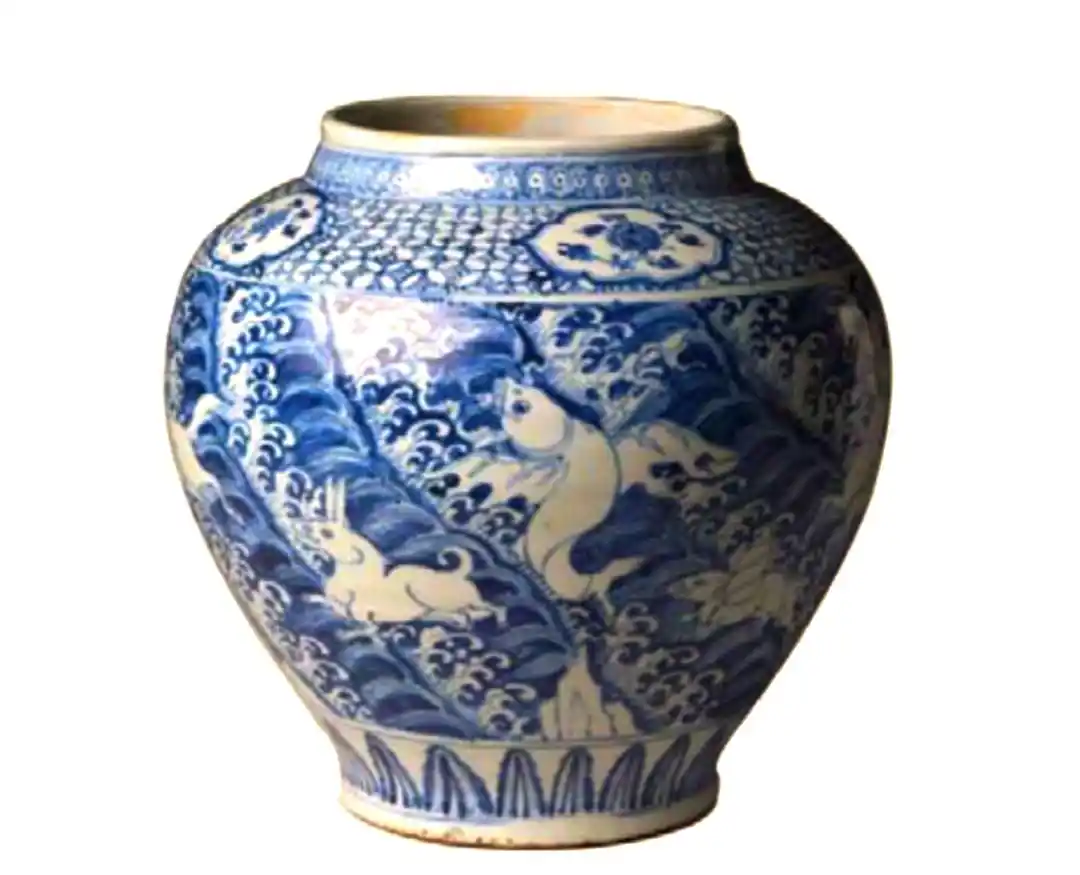
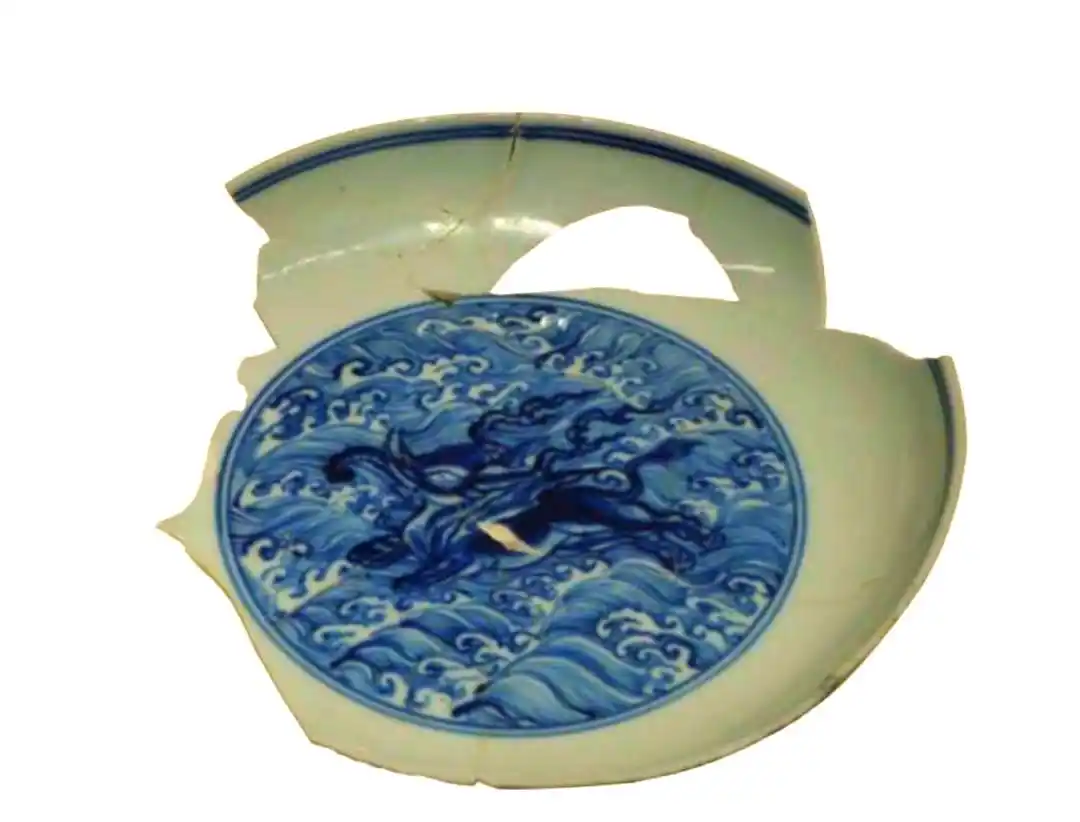
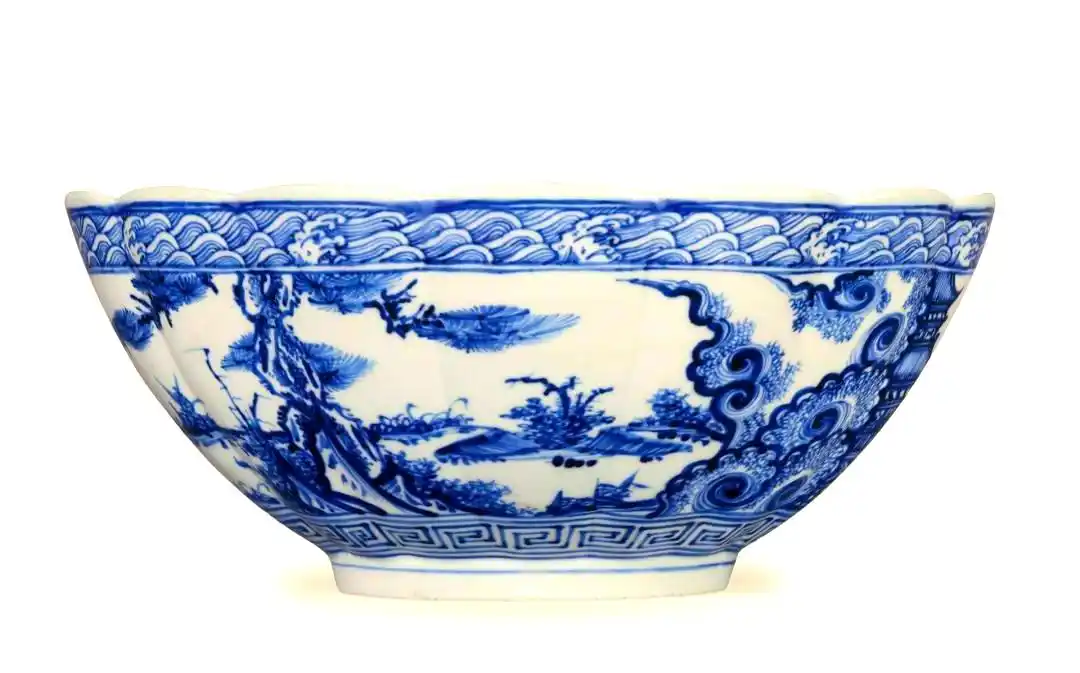
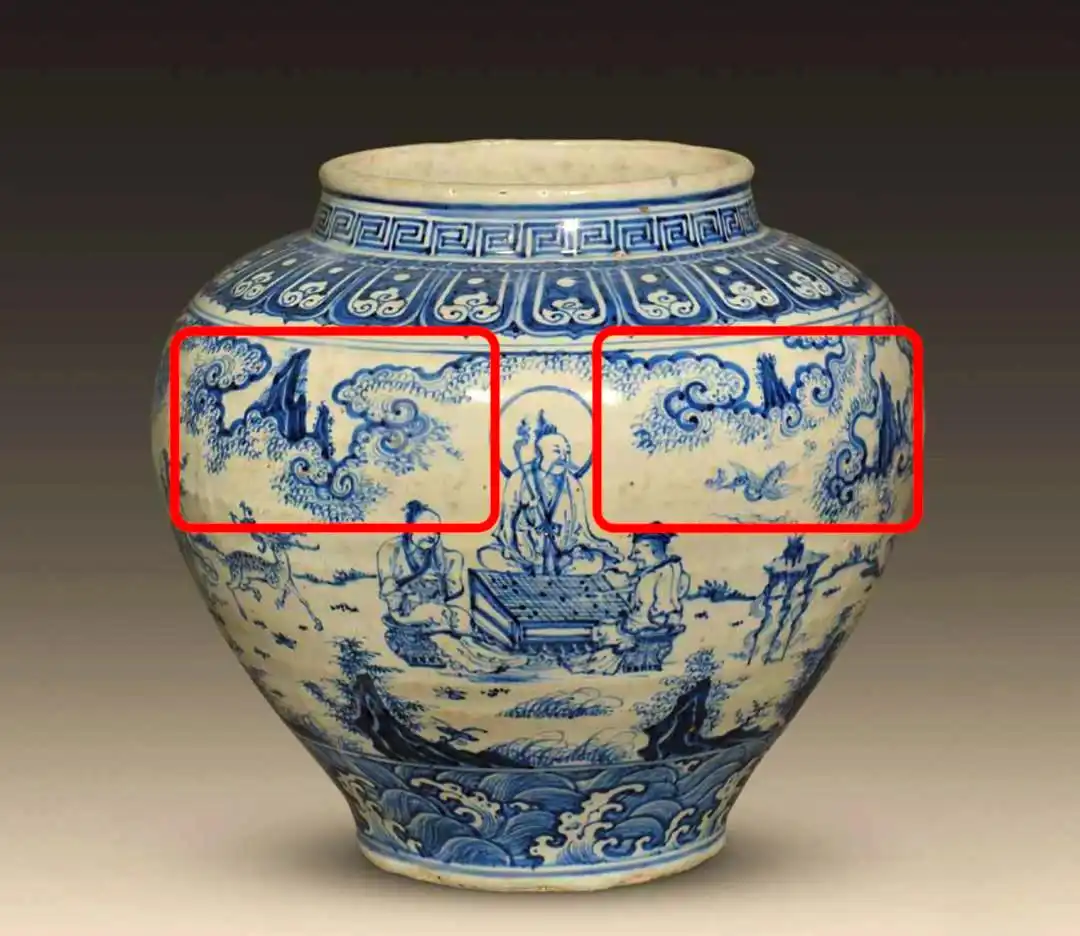
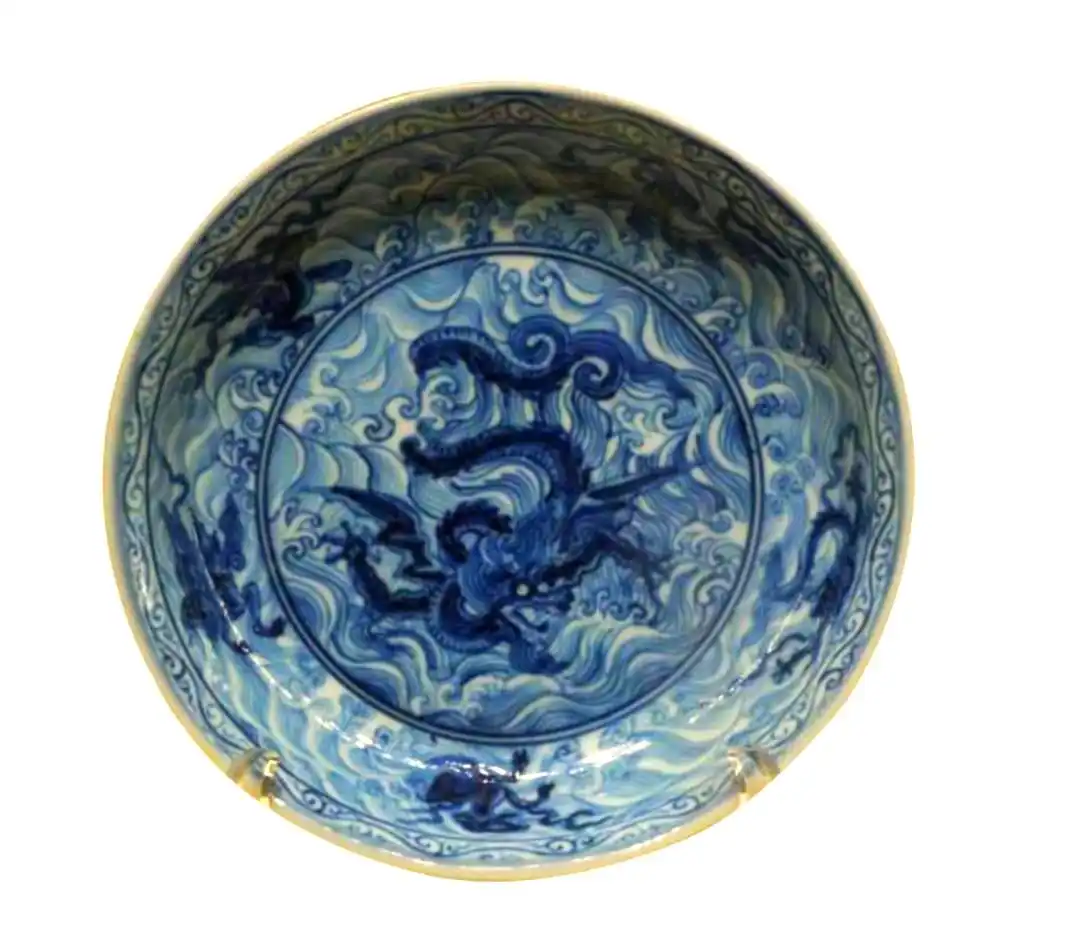

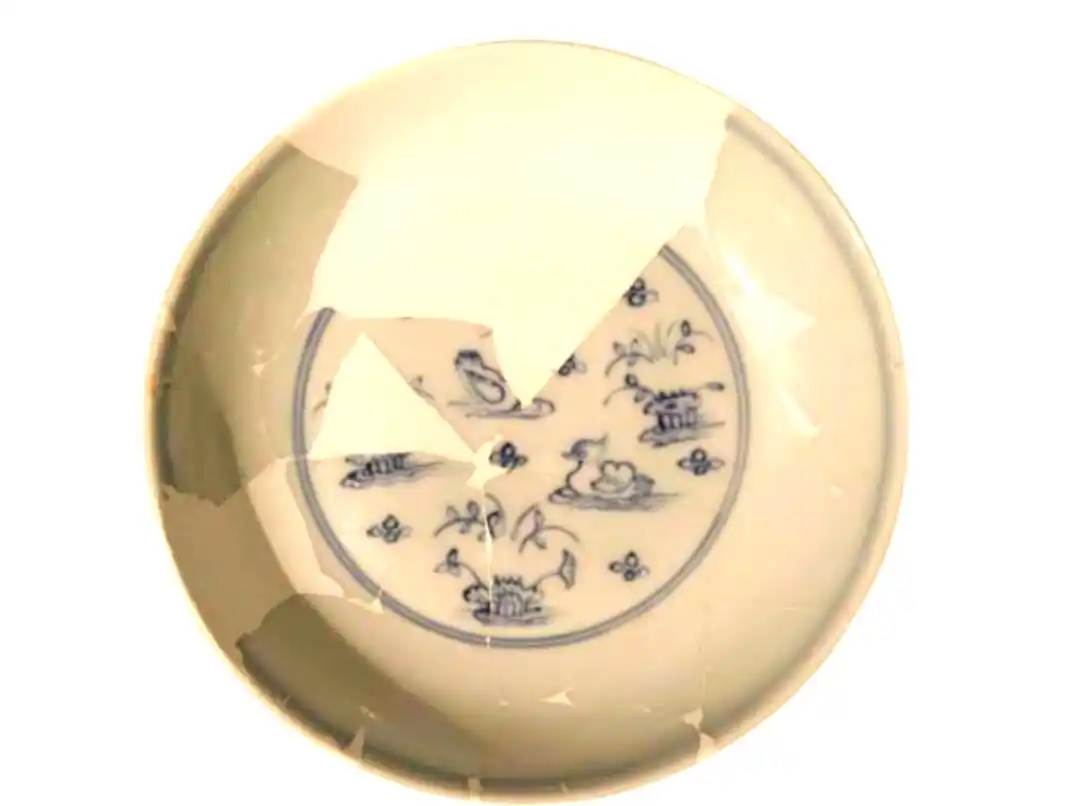

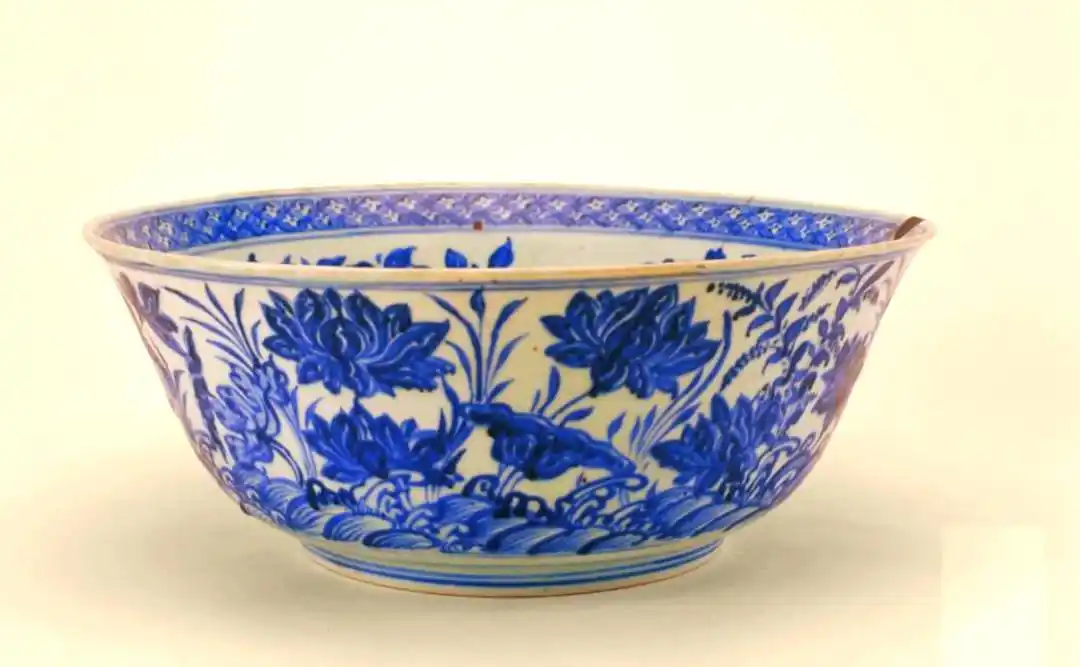
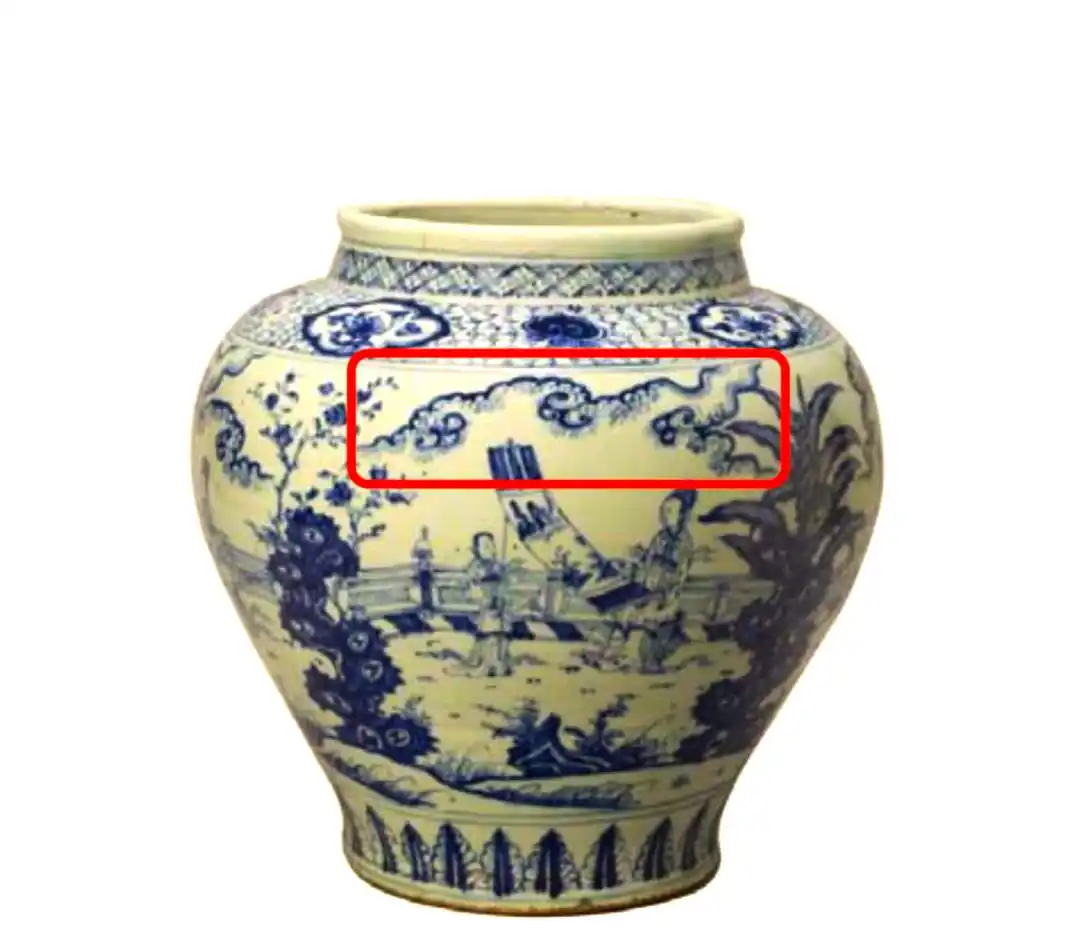
The Stylistic Evolution of Ming Blue-and-White Porcelain and the Unique Aesthetics of the “Interregnum Period”
Artistic Characteristics of Ming Blue-and-White Porcelain
Throughout roughly ninety percent of the Ming dynasty, blue-and-white porcelain consistently demonstrated distinct and recognizable artistic characteristics. During the Yongle and Xuande periods, the cobalt pigment produced rich, vivid tones, and the decorative motifs often displayed strong exotic influences. In contrast, the Chenghua and Hongzhi periods favored softer brushwork and more subdued coloration. By the Jiajing and Wanli periods, blue-and-white porcelain had absorbed strong religious elements, developing a purplish-blue hue and increasingly complex decorative patterns.
A Xuande-period blue-and-white stem bowl decorated with “waves and cloud-dragons,” now in the Palace Museum, is a representative masterpiece of this era. Its intense cobalt tone and dynamic dragon motifs exemplify the unique aesthetic of early Ming blue-and-white ware.
Similarly, a Chenghua-period blue-and-white stem bowl with “dragon-and-horse” design, also in the Palace Museum, illustrates the enduring appeal of blue-and-white porcelain. The differences between these two masterpieces, however, are not coincidental—rather, they arise primarily from variations in cobalt material and pigment composition.
Differences Between the Yongle–Xuande and Chenghua–Hongzhi Periods
The so-called “Interregnum Period” between the Yongle–Xuande and Chenghua–Hongzhi reigns presents unusually complex characteristics in blue-and-white porcelain. Political instability severely disrupted imperial kiln production, blurring the distinction between official and民kiln wares. As a result, porcelain from this period is scarce, inscriptions and reign marks are rare, and many uncertainties remain.
Nevertheless, careful observation of cobalt coloration and decorative motifs still allows us to tentatively differentiate pieces from this transitional era. The cobalt tone of interregnum wares is notably unstable—some resemble the vibrant coloration of Yongle–Xuande pieces, others lean toward the gentle hues of Chenghua ware, and some fall in-between, exhibiting greyish or bluish transitional tones.
Diversification of Cobalt Coloration
The cobalt coloration of interregnum blue-and-white porcelain displays significant diversity, ranging from rich and vivid to soft and pale, with motifs demonstrating considerable creativity. When broadly divided into three stages, the developmental pattern becomes clearer:
1. Stage One (Xuande period):
Imported cobalt remained available—though increasingly scarce—and could still meet production needs.
2. Stage Two:
As imported cobalt dwindled, artisans began mixing imported pigment with domestic tu liao (“local cobalt”), resulting in noticeable changes in coloration.
3. Stage Three:
Domestic cobalt became the sole pigment source. Due to its less satisfactory performance, artisans actively sought higher-quality alternatives, a pursuit that eventually led to the emergence of pingdeng qing (“equalized cobalt”).
Innovations in Blue-and-White Decorative Patterns
The decorative motifs of the interregnum period reveal a free and expressive style, including designs such as sea creatures and auspicious mythical beasts, reflecting a longing for peace and prosperity. Despite the turbulence of the Zhengtong, Jingtai, and Tianshun reigns, imperial kiln production did not cease entirely. In fact, court frugality and weakened supervision indirectly encouraged artistic innovation, giving rise to a graceful and spontaneous aesthetic.
Technical Characteristics of Blue-and-White Porcelain
During the Zhengtong, Jingtai, and Tianshun reigns, blue-and-white wares not only exhibited refined craftsmanship but also introduced new thematic content. Innovation appeared not only in increasingly complex patterns but also in cobalt coloration and artistic expression. Zhengtong blue-and-white pieces show traits reminiscent of late Xuande ware, while Tianshun wares appear closer to early Chenghua styles. Many pieces with cobalt tones intermediary between Xuande and Chenghua—but uniquely distinct—likely trace their origins to this interregnum period.
Porcelain Body and Manufacturing Techniques
Due to limitations in production quality, interregnum wares generally lack the refined workmanship seen in other periods. Their mouth rims are often uneven or slightly out-of-round, and the trimming of the footring is not always precise. Many jars and vases feature thick, shallow, broad footrings or slightly concave flat bases, while finely gritted footrings are relatively uncommon.
Chinese antique porcelain

Hi Tony and all -
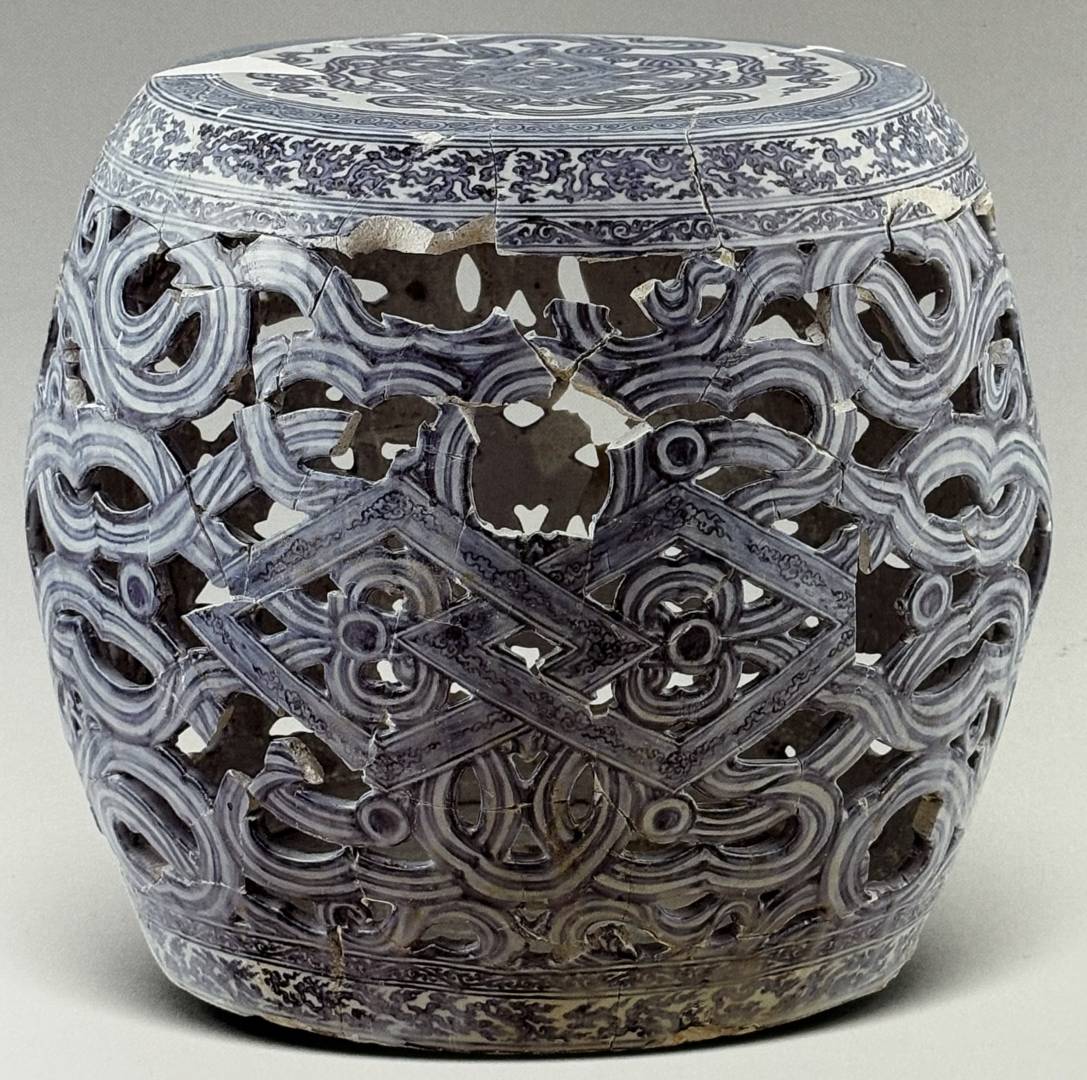
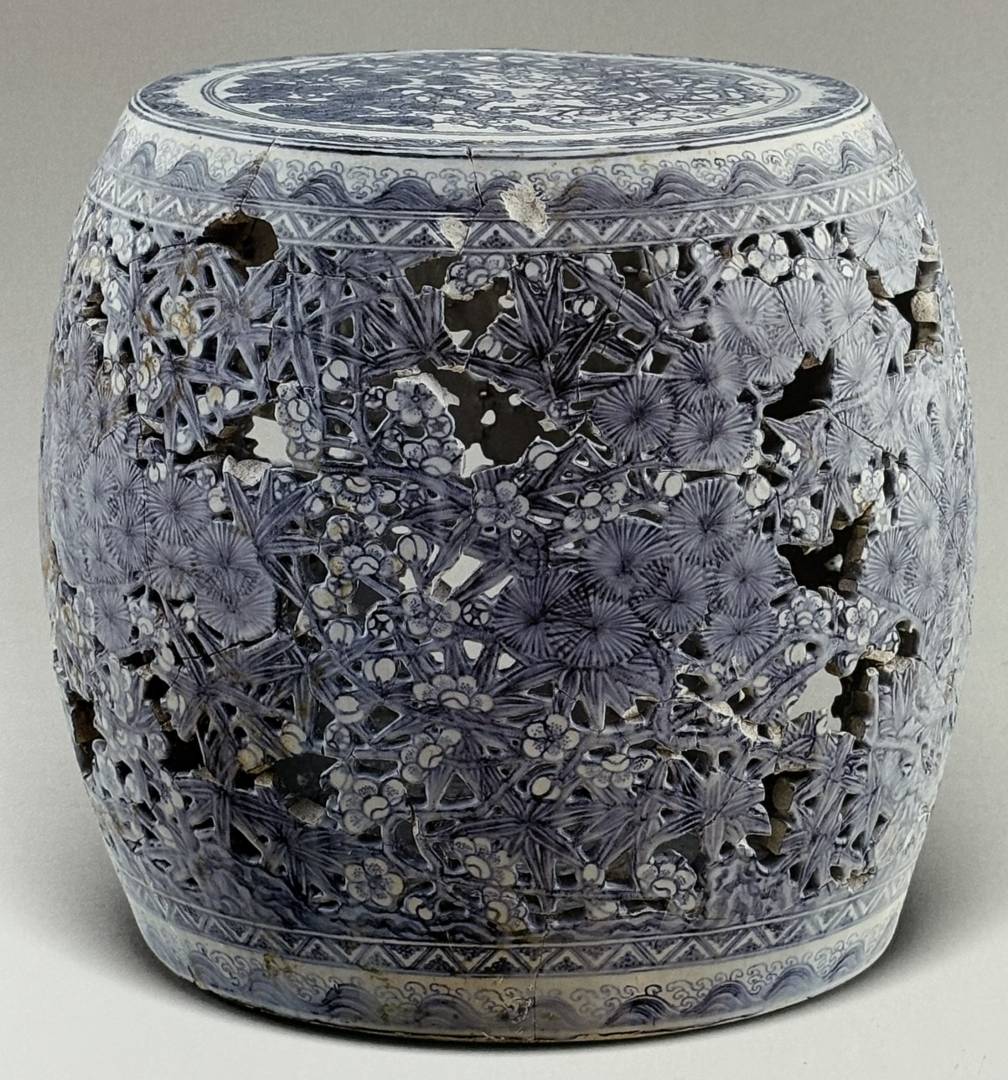
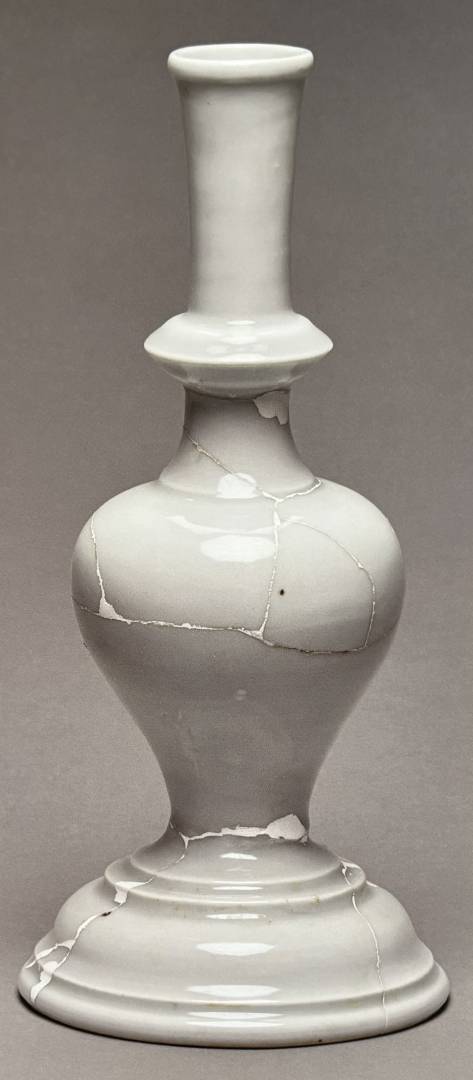
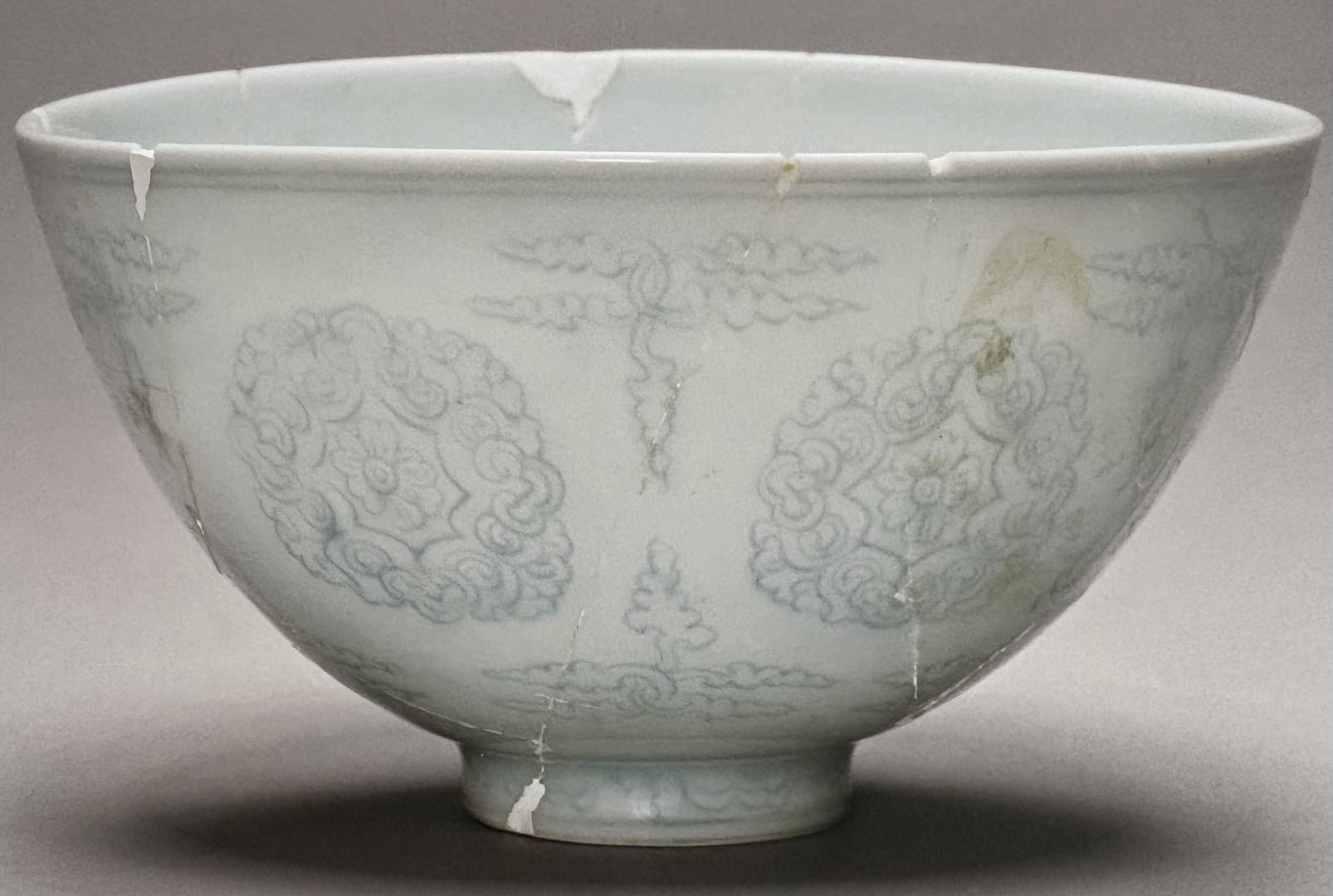
During the 2012-2014 excavations at the Imperial kiln site, an extensive stratum of fragments were uncovered that, due to stratigraphy, could be place to the Ming dynasty Zhengtong, Jingtai and Thanshun reigns, so mid 15th century …
Whilst the stratigraphic layers were not quite as definitive as the archaeologists may have liked, the finds included some unique forms and examples, that were perviously unknown …
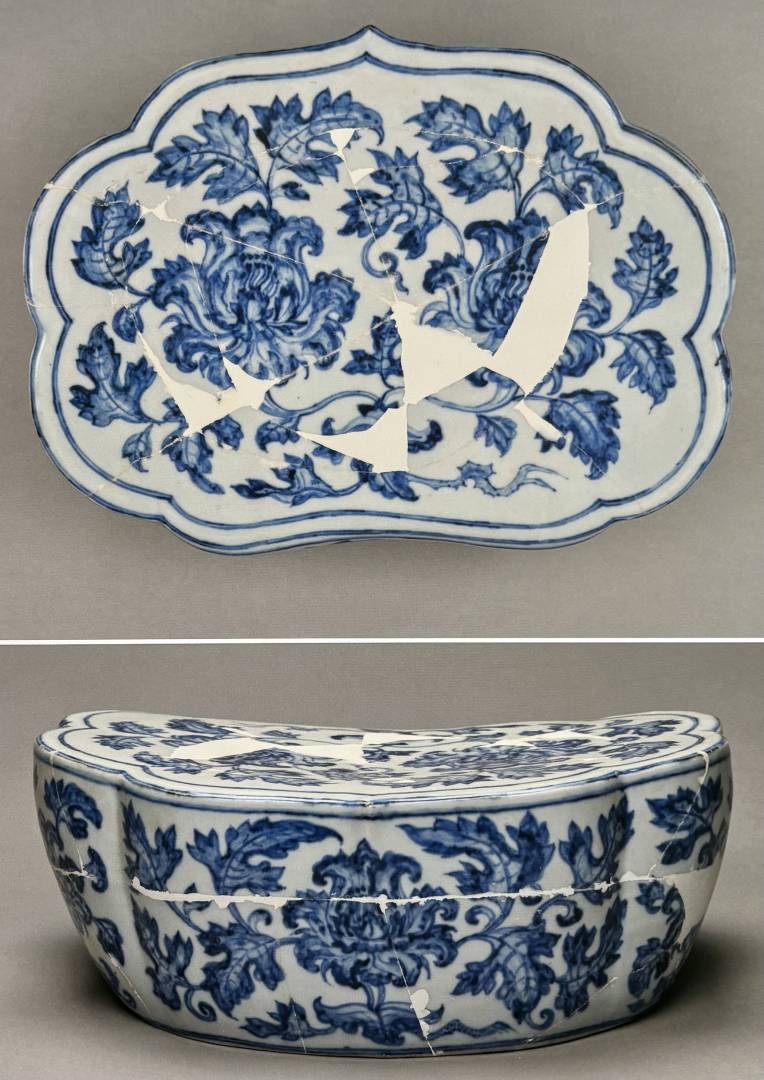
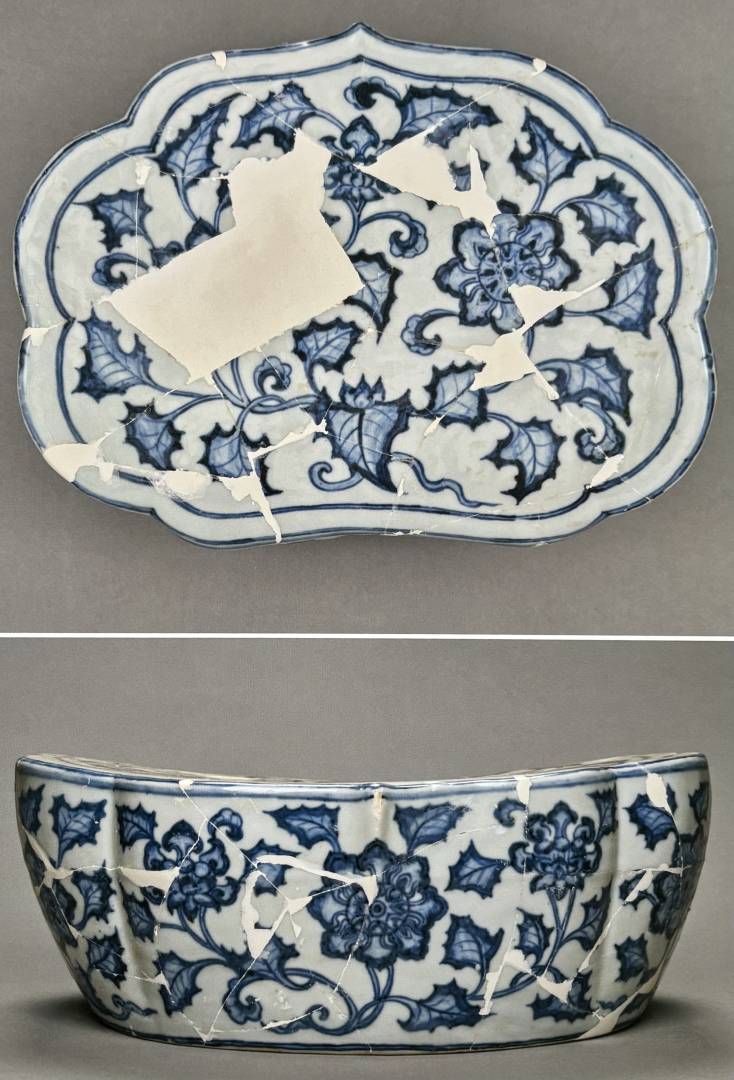
Attached images of some of these pieces …
1/2; Ruyi shape ceramic pillows with floral designs. So far, over one hundred examples of these have been uncovered and restored …
3/4/5; Garden seats, ‘taboret’, with reticulated designs …
6; White glazed ‘Kundika’ …
7/8; Qingbai glazed lotus shape bowl with incised decoration …
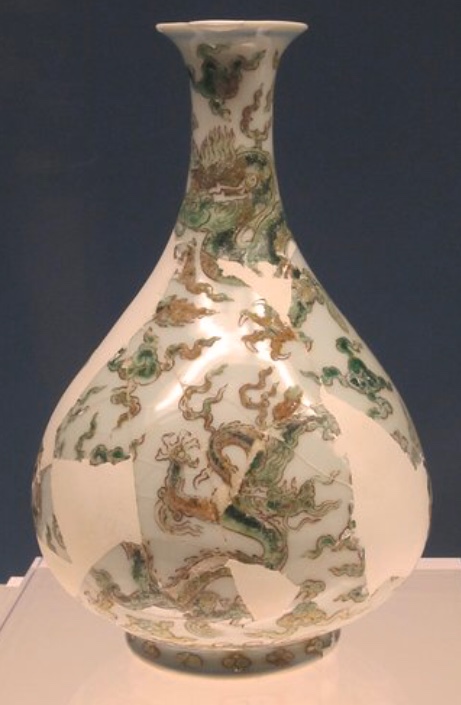
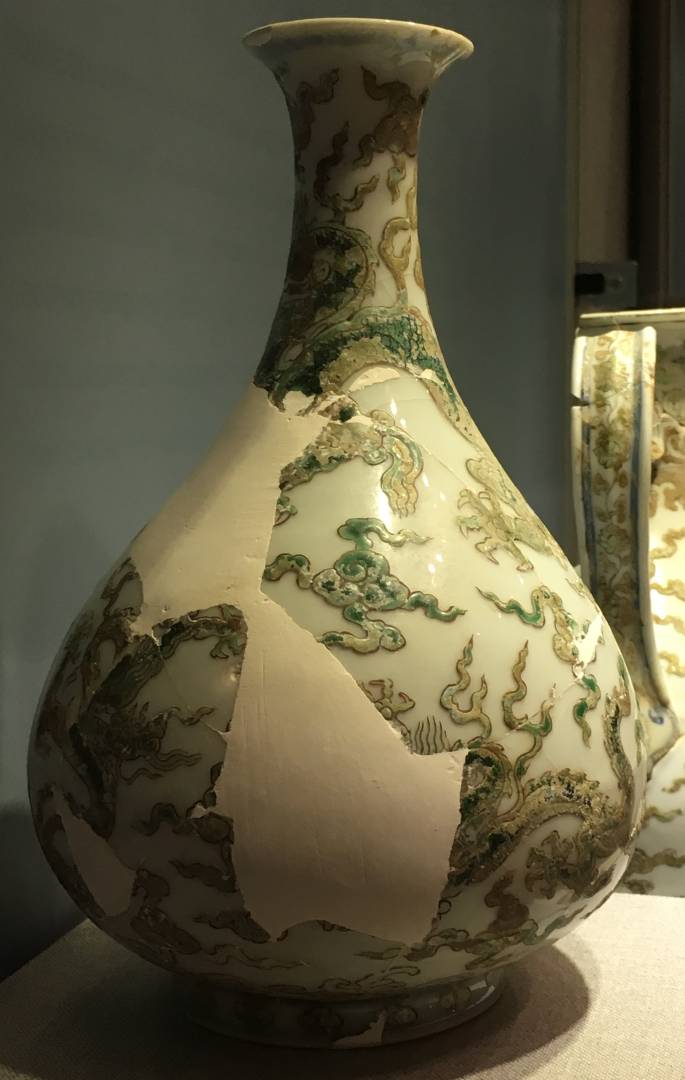
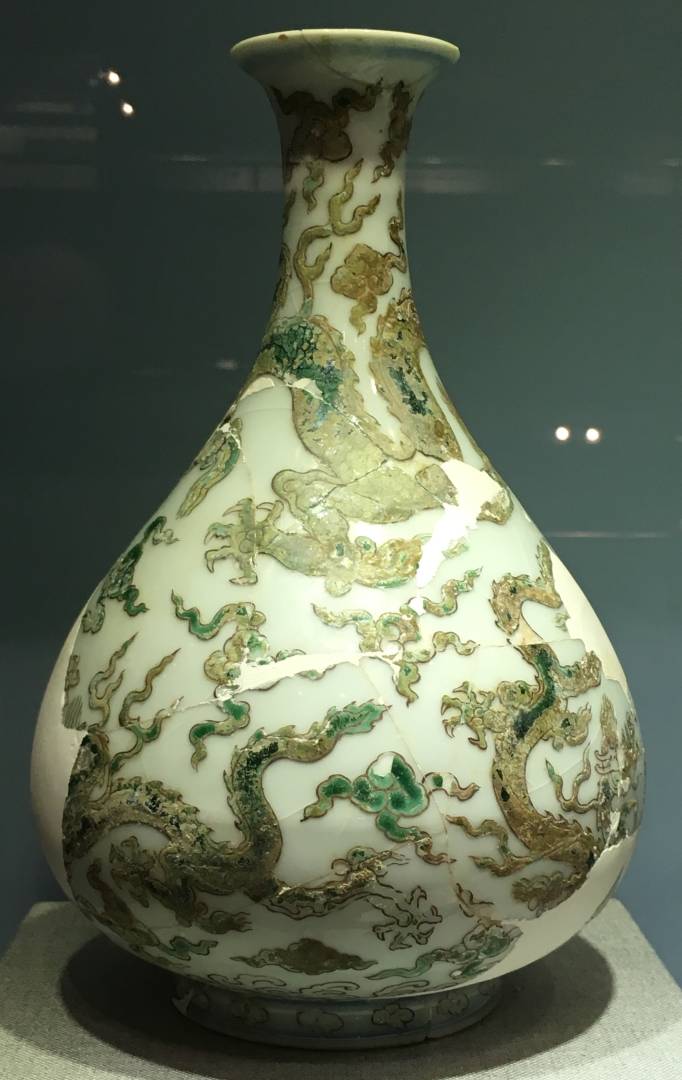
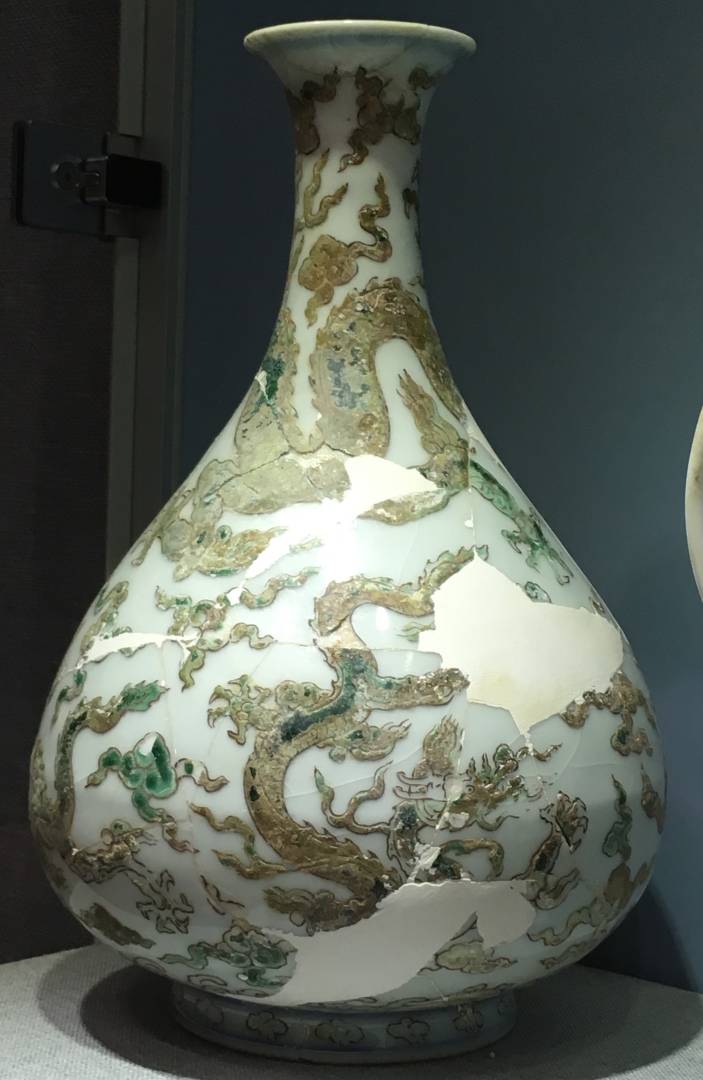
9; Yuhuchun-ping vase with dragons in underglazed blue, green enamel and iron-red enamel …
10/11/12; Yuhuchun-ping vase, green enamelled example.
Close up/detailed images of …
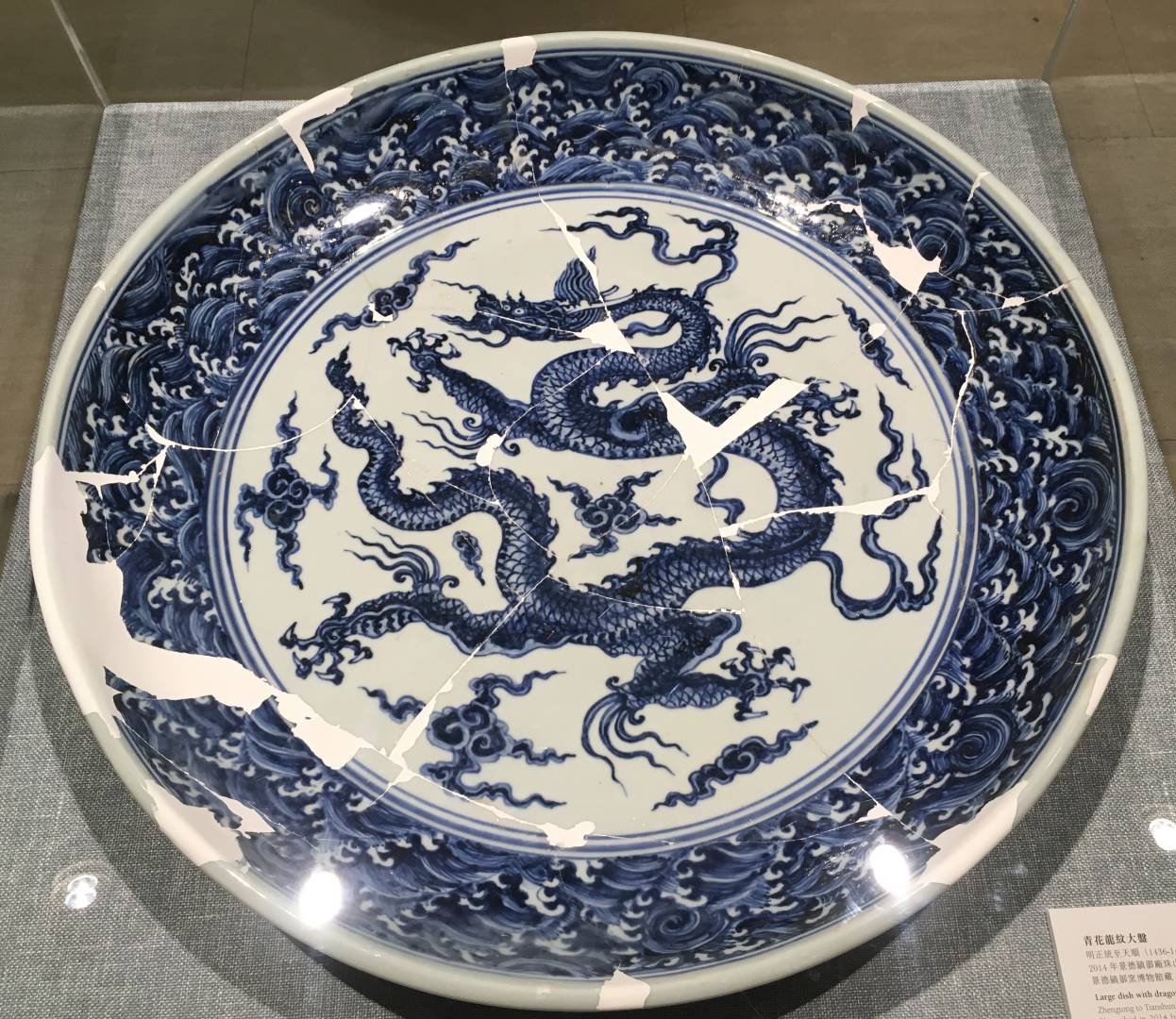
14; Large blue/white dish, D. 75cm, decorated with a single dragon amongst clouds, waves to cavetto.
The exterior with nine dragons amongst clouds, each depicted in a different pose …
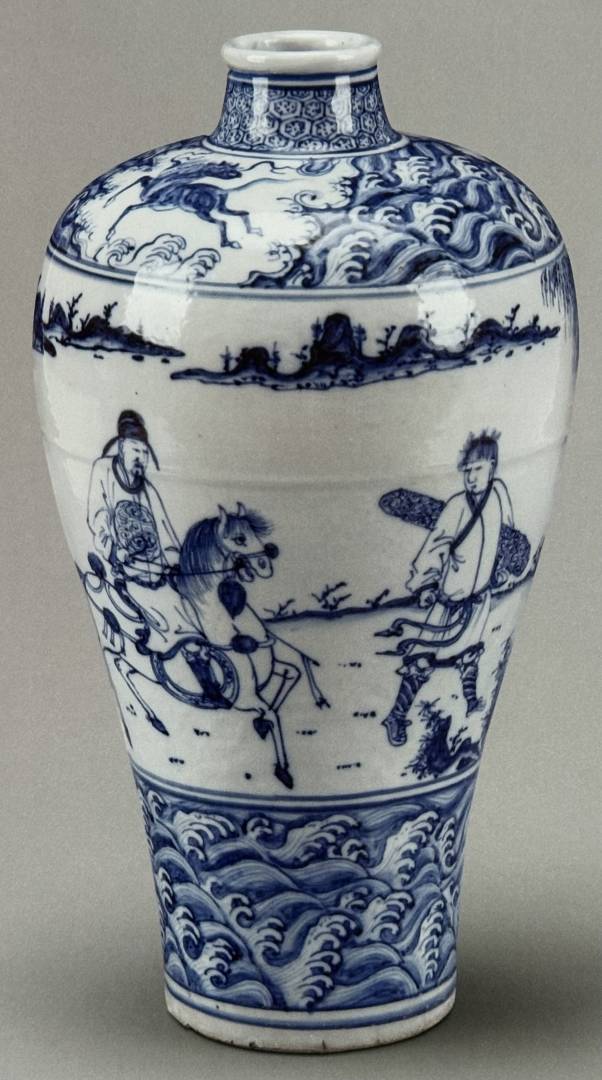
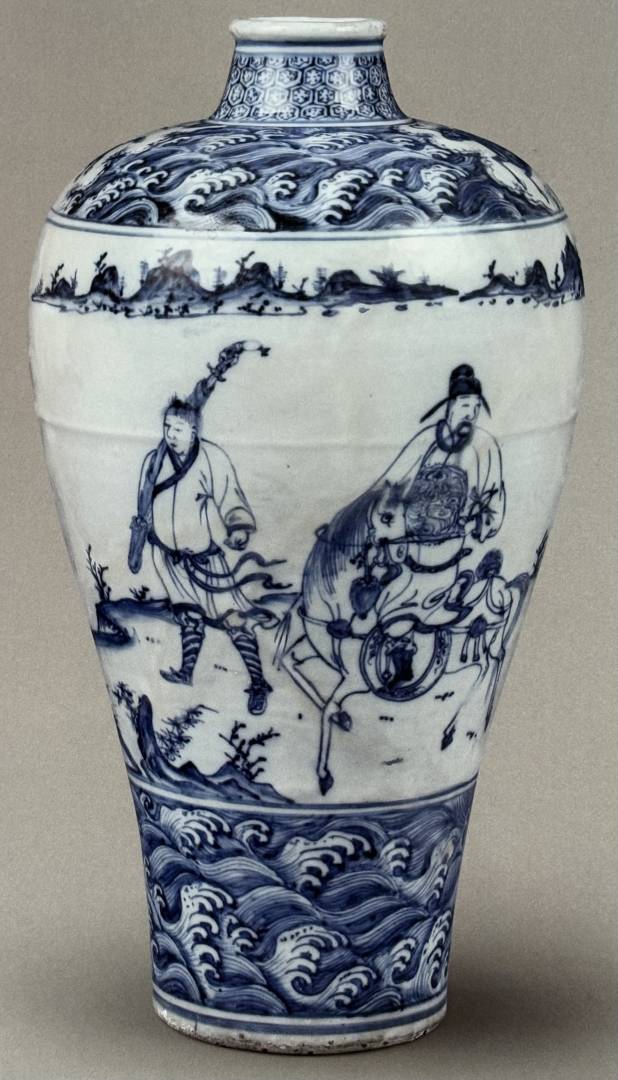
15/16; These two images are a pair of meiping vases, excavated in 1970 from the tomb of Jingjiang Ansu Prince Zhu Jingfu and his wife in Guilin. They are excellent examples of the extremely high level of workmanship the top private kilns were able to produce during this time …
As with all periods, the quality of wares produced varies tremendously, ranging from objects made for the Imperial Court, Princely and elite wares, those ordered and produced for various levels of patronage and wares made for different markets, both domestic and overseas …
Stuart



Latest Post: Canton export plate and bowl with unusual double-joinery handles Our newest member: victor BAUDRU Recent Posts Unread Posts

Thanks for visiting "The BidAmount Asian Art Forum | Chinese Art"
If you sell on eBay, or have a shop feel free to post images and descriptions and links.
Check back often for discussion about the latest news in the Chinese art and antique world. Also find out about the latest Asian art auctions at Sotheby's, Christie's, Bonhams and Tajans.
Auction results for: fine porcelain, ceramics, bronze, jade, textiles and scholar's objects. As well as Japanese, Thai, Vietnamese and other Asian cultures.
Thank you,
Peter Combs
Topics and categories on The BidAmount Asian Art Forum | Chinese Art
Kangxi vases, Kangxi dishes and chargers, Kangxi ritual pieces, Kangxi scholar's objects, Qianlong famille rose, Qianlong enamels, Qianlong period paintings, Qianlong Emporer's court, Fine porcelain of the Yongzheng period. Chinese imperial art, Ming porcelain including Jiajing, Wanli, Xuande, Chenghua as well as Ming jades and bronzes.

Join the BidAmount Chinese and Asian art discussion board and forum today
The BidAmount Asian Art Forum | Chinese Art
A free Asian art discussion board and Asian art message board for dealers and collectors of art and antiques from China, Japan, Korea, Thailand, Cambodia, Vietnam and the rest of Asia. Linked to all of the BidAmount Asian art reference areas, with videos from plcombs Asian Art and Bidamount on YouTube. Sign up also for the weekly BidAmount newsletter and catalogs of active eBay listing of Chinese porcelain, bronze, jades, robes, and paintings.
The art of calligraphy - and for the ancient Chinese it certainly was an art - aimed to demonstrate superior control and skill using brush and ink. Calligraphy established itself as one of the major Chinese art forms during the Han dynasty (206 BCE - 220 CE), and for two millennia after, all educated men were expected to be proficient at it.
The Museum’s collections of Asian art span nearly five millennia and encompass the cultures of China, the Himalayas, India, Japan, Korea, and Southeast Asia. In 2007, the Museum launched an initiative to create dedicated galleries for the collection, beginning with a gallery for the arts of Korea ...
Chinese art is full of symbolism, in that artists typically seek to depict some aspect of a totality of which they are intuitively aware.
China Online Museum is the finest online museum of Chinese art. It features Chinese calligraphy, painting, ceramics, bronzes, carving, and other artworks.
Chinese Ceramics & Works of Art. Overview Upcoming auctions Contacts Auction results ... Christie’s sales of Chinese ceramics and works of art showcase centuries of Chinese history. Held throughout the year in London, New York, Paris and Hong Kong, they attract a wide audience of collectors and connoisseurs vying for pieces as diverse as ...
Explore Asian Art Week. Contact the Specialist Department. Chinese Paintings ... Senior Specialist, Head of Sale. [email protected]. Tel:+1 212 641 5760. Bid in-person or online for the upcoming auction:Fine Chinese Paintings on 10 September 2019 at New York. Bid in-person or online for the upcoming auction:Fine Chinese Paintings on 10 ...
Discover an abundance of must-see art from all corners of a vast continent at Christie’s NY Asian Art Week. From contemporary classical and Chinese paintings to works with exemplary provenance from the Art Institute of Chicago, our Rockefeller Paza galleries will be full of ancient treasures and contemporary masterworks in a salute to the vibrant arts of Asia.
Sold to benefit The Art Institute of Chicago’s Asian Art Acquisition Fund, the sale features 84 lots with a focus on Ming and Qing porcelains, and offers a rare insight into the taste for collecting Chinese ceramics and works of art in the Midwest from the end of the 19th century through the 1980s. Highlights include two Wanli wucai garlic-head vases, a Qianlong mark and period, blue and ...
Specialist, Chinese Paintings, Christie's London Dr Malcolm McNeill is a Specialist in Chinese Paintings at Christie’s, based in London. He previously worked as an assistant curator of the Chinese collections and the Victoria and Albert Museum in London, as a researcher at the British Museum, and as a translator and tour guide at the National Palace Museum in Taipei.
The Christie's Education 2020 Conference: The Chinese Art Market 18 Jun 2019 Christie’s Education is delighted to announce our first international academic conference in Asia which will take place in Hong Kong from 26-27 November 2020 at the Hong Kong Convention and Exhibition Centre and will run in parallel with Christie’s Hong Kong Autumn Auctions.
The summer Chinese Art sale in Hong Kong will feature works of art from several private collections, including Qing porcelains and textile from the collection of the legendary Chinese art dealer A. W. Bahr (1877–1959), fine gilt bronze Buddhist sculptures from an old Hong Kong collection, an East Asian collection of Qing dynasty wine cups and jades, and a Japanese collection of Song ceramics ...
Sotheby's Chinese Works of Art Department holds two auctions each year in London, New York, Hong Kong and Paris.
Chinese Art - View Auction details, bid, buy and collect the various artworks at Sothebys Art Auction House.
With more than 340 Chinese works of art dating from the Neolithic to the Republic periods, highlights of this sale include a selection of Qing Imperial monochromes from the collection of Arnold and Blema Steinberg, early ceramics from the Art Institute of Chicago and Chinese porcelain and works of art from the collection of Henry Arnhold.
Results: Sotheby's Asia Week achieved $52.4 million in six strong auctions, exceeding pre-sale estimates. With 76.5% of lots sold and 60.3% of lots surpassing high estimates, the Asian art sales at Sotheby's indicate continued collector interest in the finest works of art from China, India and and the Himalayas.
Today's sale of Important Chinese Art will proceed as planned with sessions at 10 AM and 2 PM EDT. Sotheby's will be monitoring the weather conditions throughout the day and will be available to coordinate alternative bidding options should conditions make it difficult for clients to attend the auction in person.
Bonhams Chinese Art department is renowned for offering the finest works of art representing the richness and breadth of China's artistic heritage, particularly Imperial porcelain, white and spinach green jades, cloisonné and Buddhist art. Specialised international auctions are held globally, including London, Hong Kong and San Francisco.
Bonhams : Chinese Works of Art We use cookies to remember choices you make on functionality and personal features to enhance your experience to our site. By continuing to use our site you consent to the use of cookies. Please refer to our privacy and cookie policies for more information.
Bonhams Fine Art Auctioneers & Valuers: auctioneers of art, pictures, collectables and motor cars. We use cookies to remember choices you make on functionality and personal features to enhance your experience to our site. By continuing to use our site you consent to the use of cookies. ... Chinese Art (US) General enquiries
Bonhams : Fine Chinese Art We use cookies to remember choices you make on functionality and personal features to enhance your experience to our site. By continuing to use our site you consent to the use of cookies. Please refer to our privacy and cookie policies for more information.
Bonhams Fine Art Auctioneers & Valuers: auctioneers of art, pictures, collectables and motor cars Bonhams : Asian Art We use cookies to remember choices you make on functionality and personal features to enhance your experience to our site.
Bonhams are international auctioneers of fine Chinese and Japanese art. We specialise in rare Imperial and Export Chinese ceramics and works of art, as well as Japanese ceramics, fine and decorative works of art from the Neolithic Period to the 20th century. View on map
Bonhams Fine Art Auctioneers & Valuers: auctioneers of art, pictures, collectables and motor cars. We use cookies to remember choices you make on functionality and personal features to enhance your experience to our site. By continuing to use our site you consent to the use of cookies. ... Asian Art Bonhams. Work. 22 Queen St.