The Chinese and Asian Art Forum. For Fans, Collectors and Dealers.
 Basic Rules For the BidAmount Asian Art Forum: Talk about whatever you want. You can even discuss and offer things that are for sale if they are authentic. Maximum image file size per post is 2 MB. Images of 700pxl x 700pxl are optimal if saved at a medium resolution. Be respectful of others and enjoy yourself. Click the YouTube link for a brief tutorial on using the forum. You can also EMBED Videos by cutting and pasting from You-Tube, Vimeo etc.
NOTE: To post an item or add a new post, click open the category title from the FORUM LIST, and CLICK the Blue ADD TOPIC button.

Hi All,
So, here are a couple of items that google lens AI tells me are Kangxi, but I am highly dubious, especially about the first one. Just a couple of examples of why I don't trust Google AI!
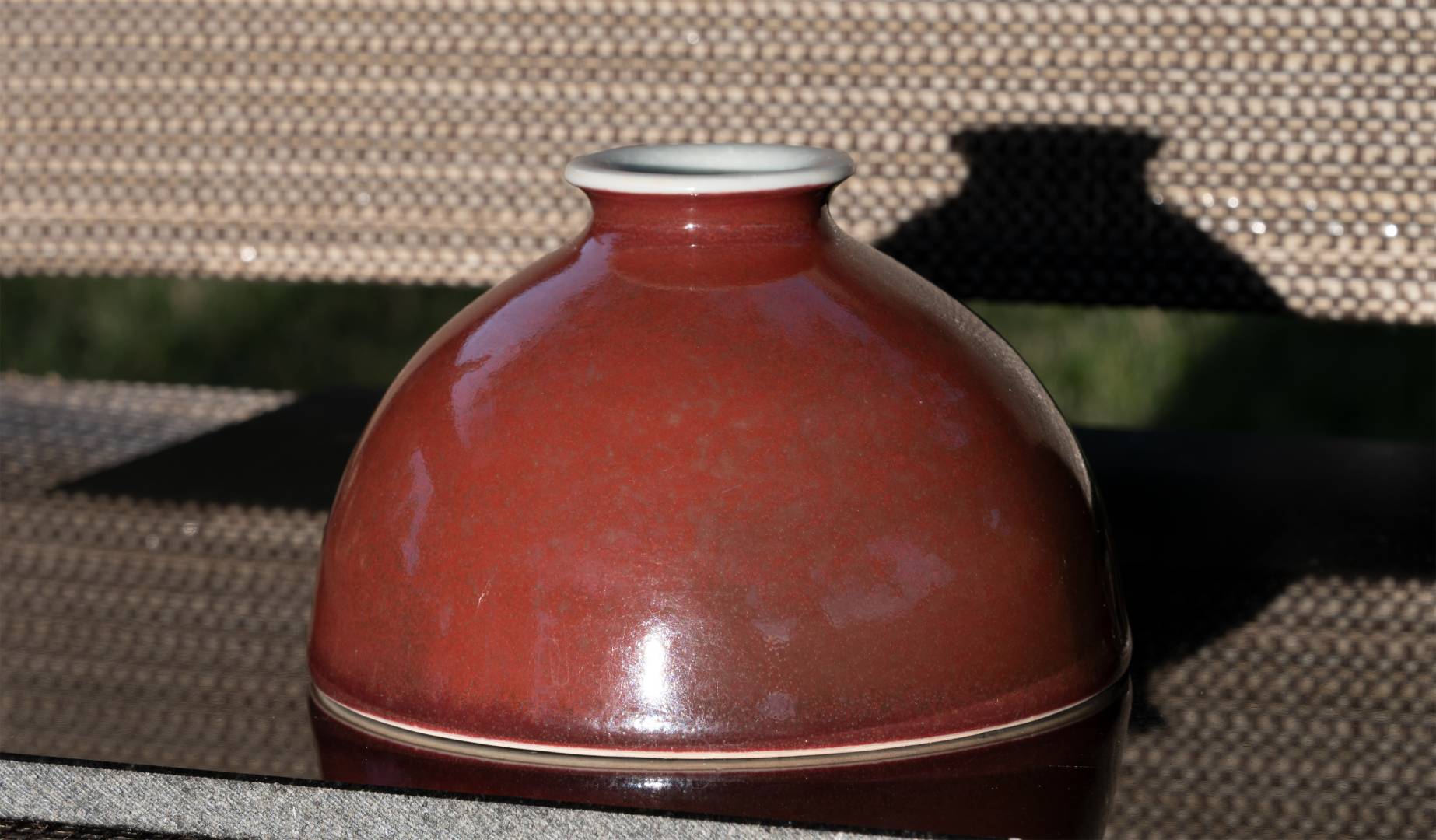
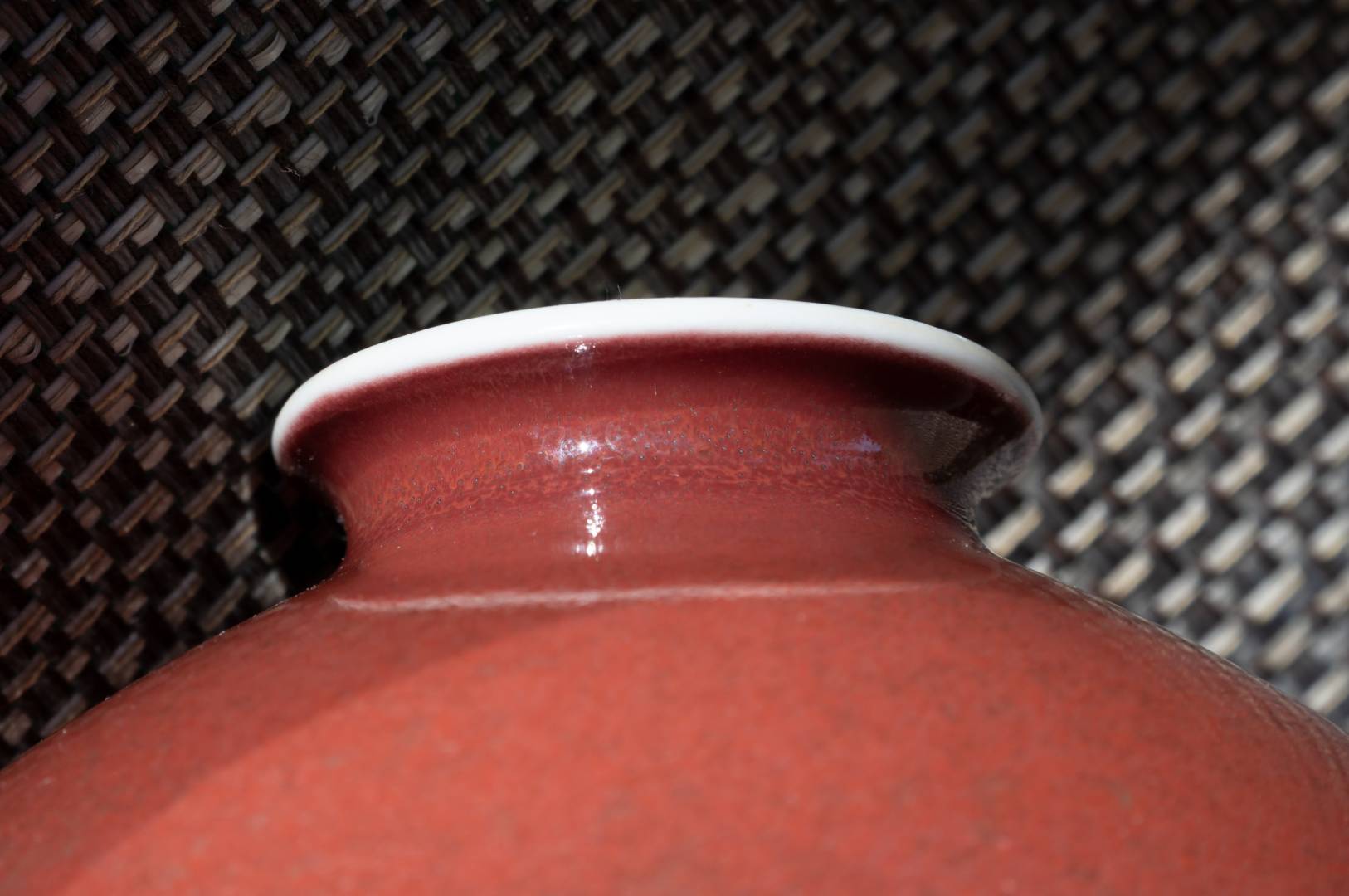
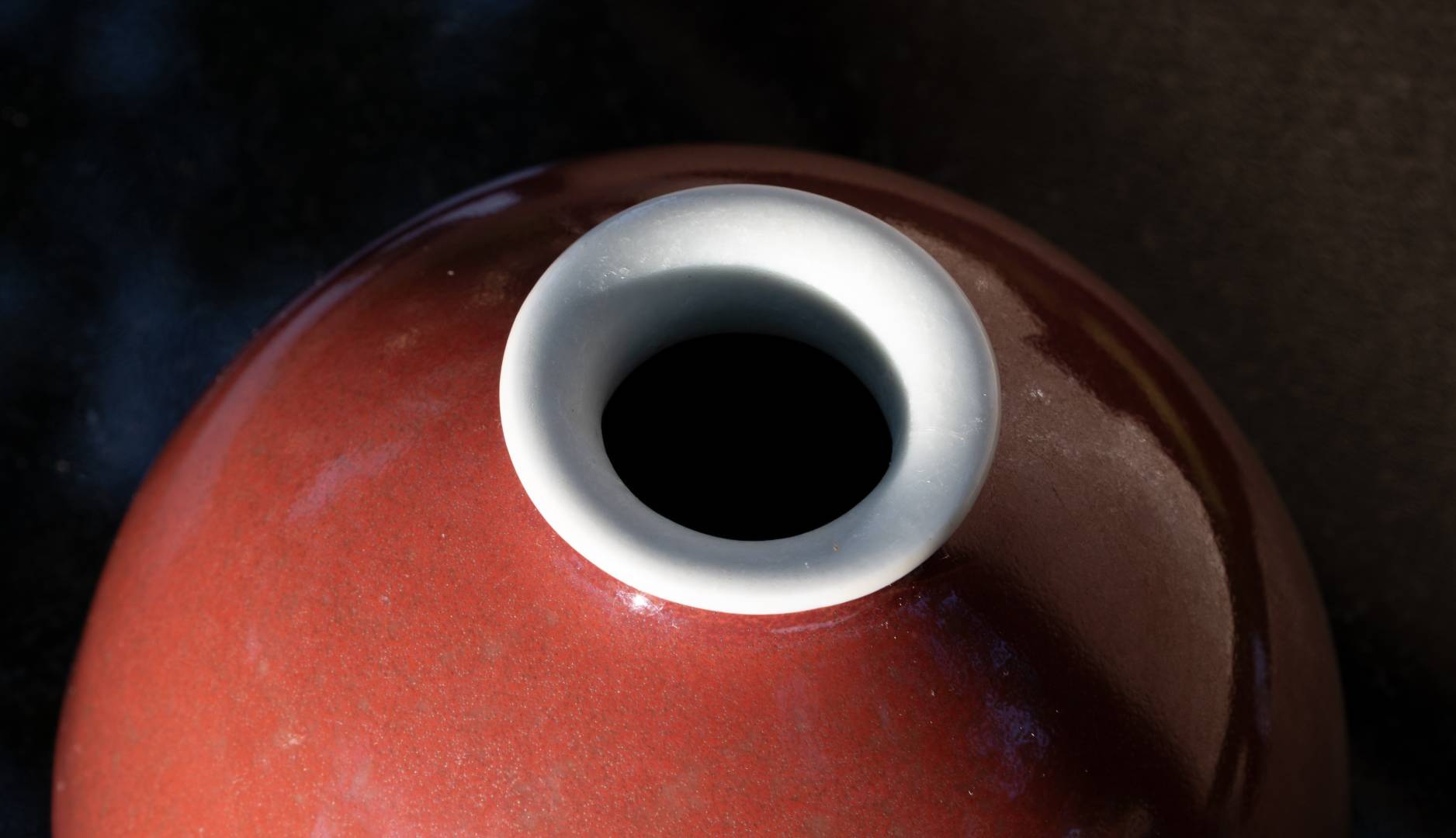
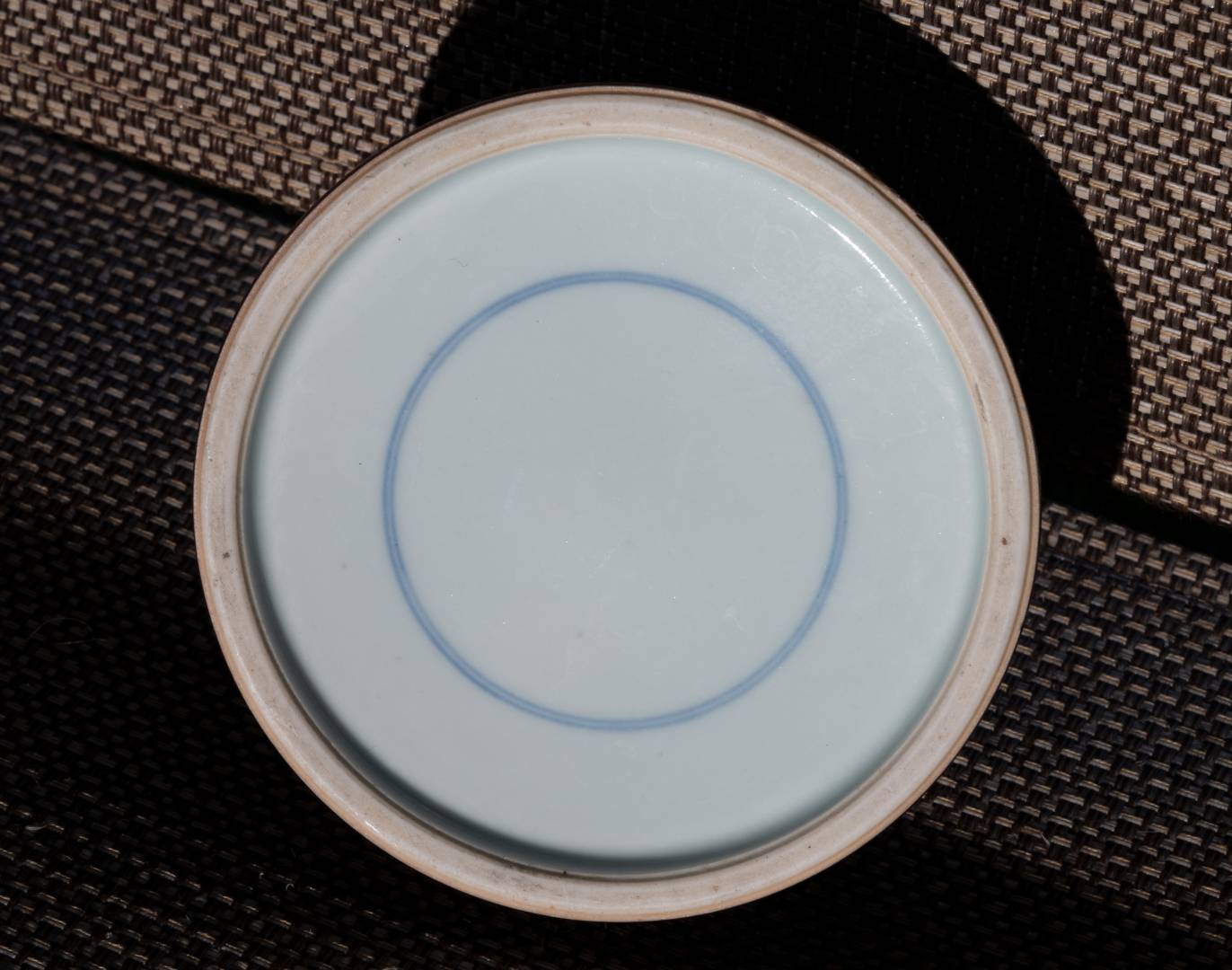
So the first one is a Chinese peachbloom water pot, of which we have all seem many. Google assures me that this has all the signs of being a real Kangxi piece of porcelain, no matter how hard I push it. As I add extra photos, be becomes more and more certain. It says the glaze is great, the foot rim is fine, and the little steps at the bottom the glaze line are perfect. I, on the other hand, think it was made yesterday, and would not have bought it, had it been more than $5. The mouth seems incorrect, too widely flaring. The foot rim seems incorrect, and there is no sign at all of wear. The only thing that makes me think it might have a little age is the frosting and minor mineralization on the white mouth. What do you think?
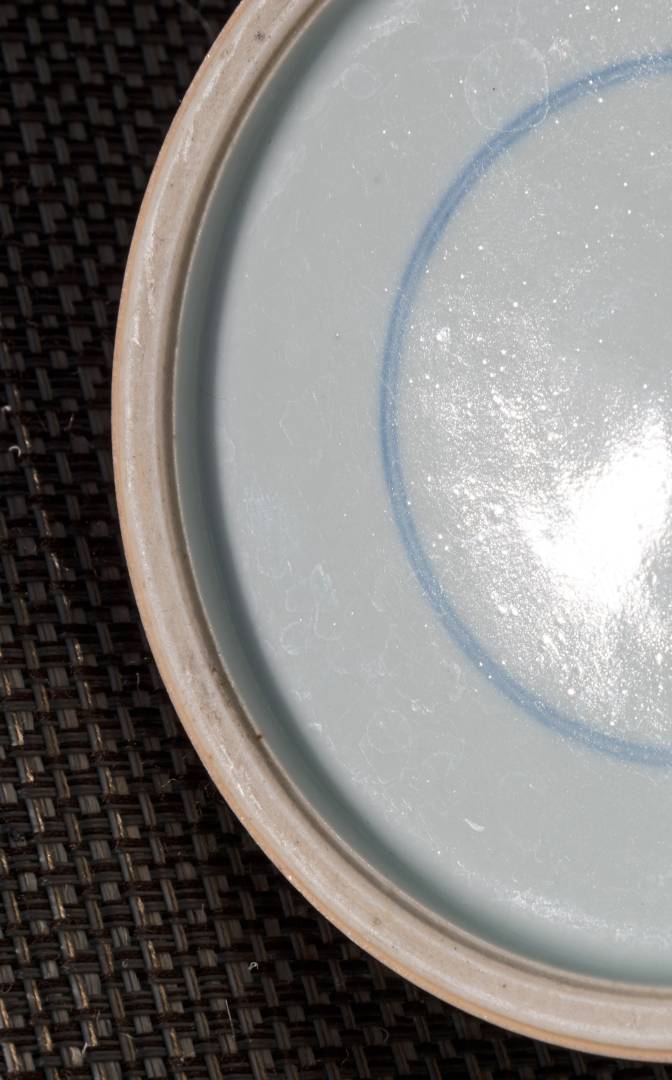
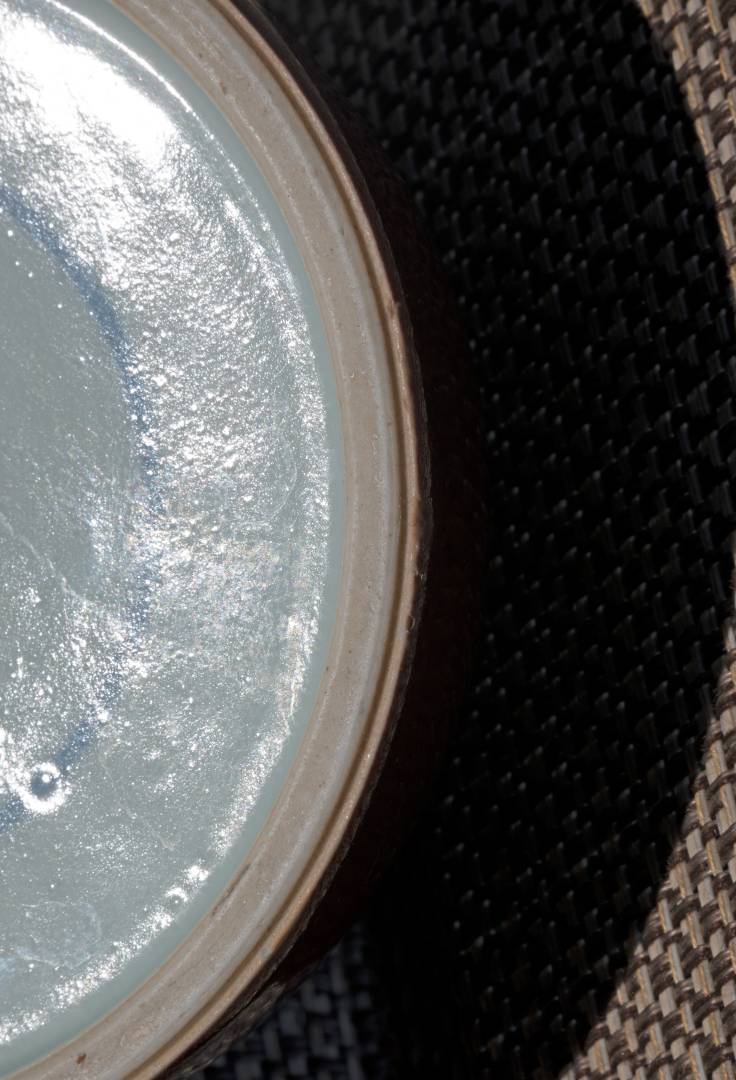
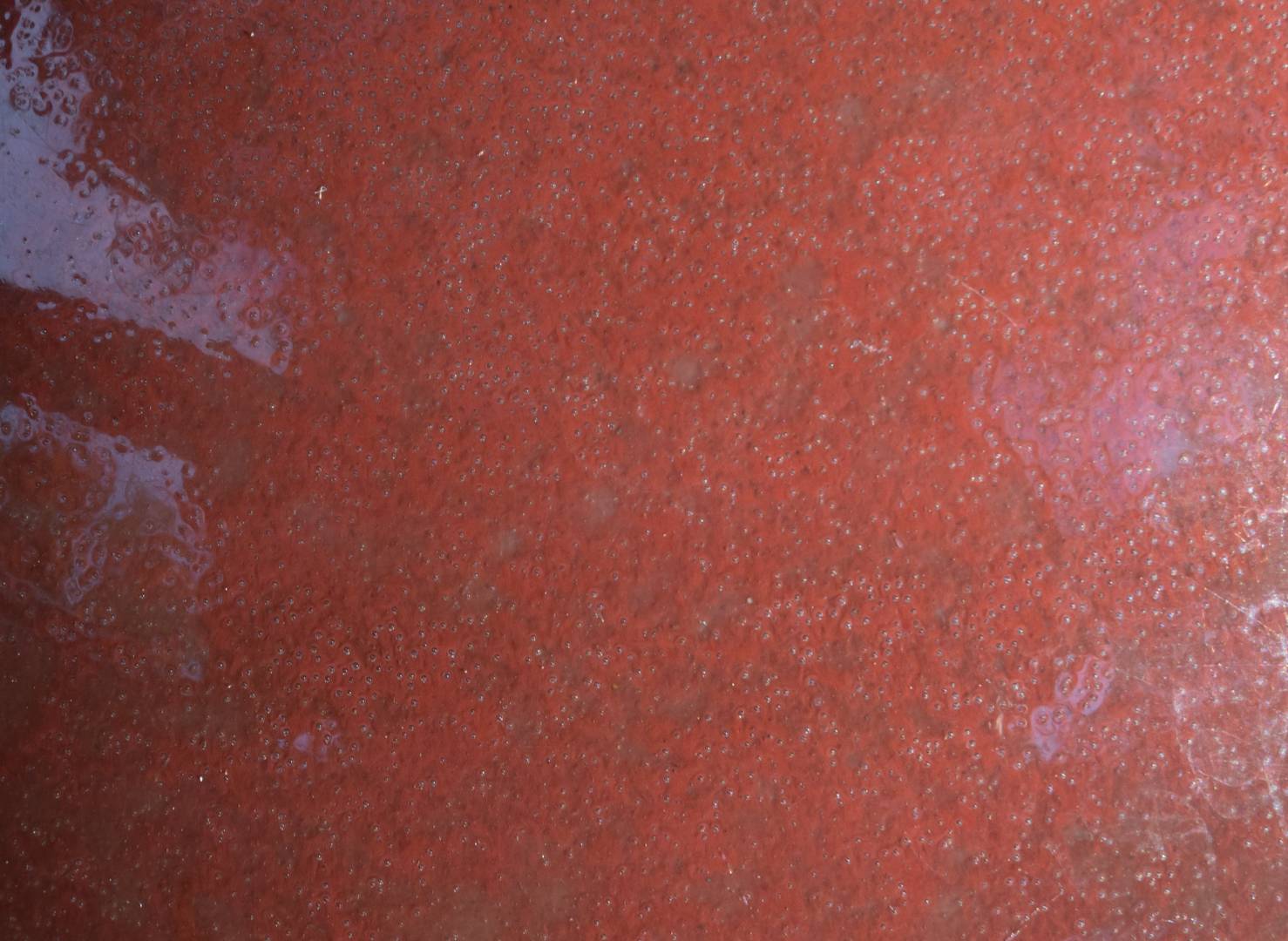
Here is the second. Google AI tells me confidently that this is a Kangxi Bataviaware (I found 4 of them) bowl, based on several photos I uploaded. It tells me that the color, design, and foot rim are diagnostic. However, I would have bet that they are late 19th century Kangxi revival. As far as I can tell, Google AI only dates them as Kangxi because most sellers online call them that. The bowl aren't worth enough to be sold at a reputable auction house, so I can't find a reputable source. What age do you think they are? Now these bowls COULD be Kangxi, but can anyone be certain, and if so, why?
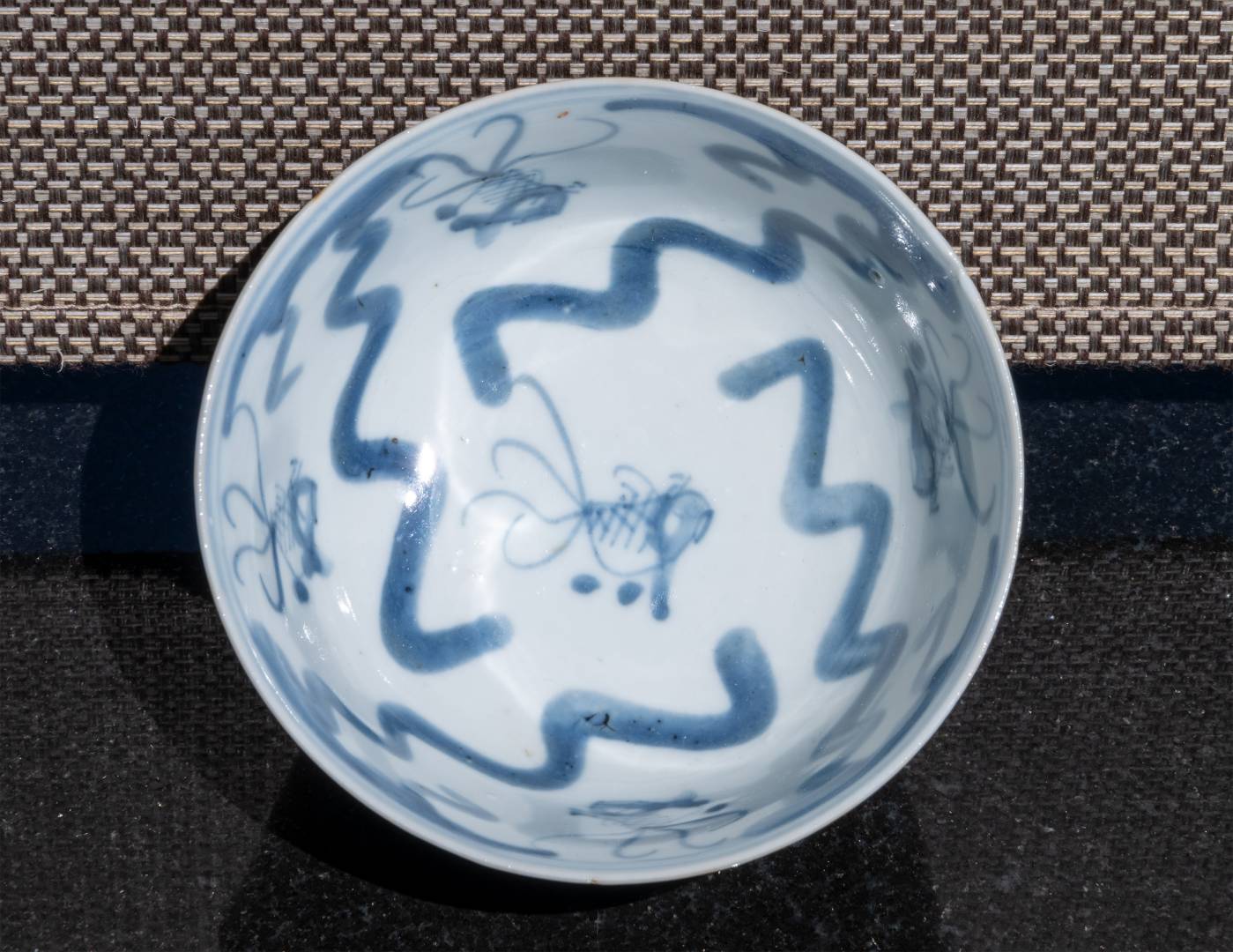
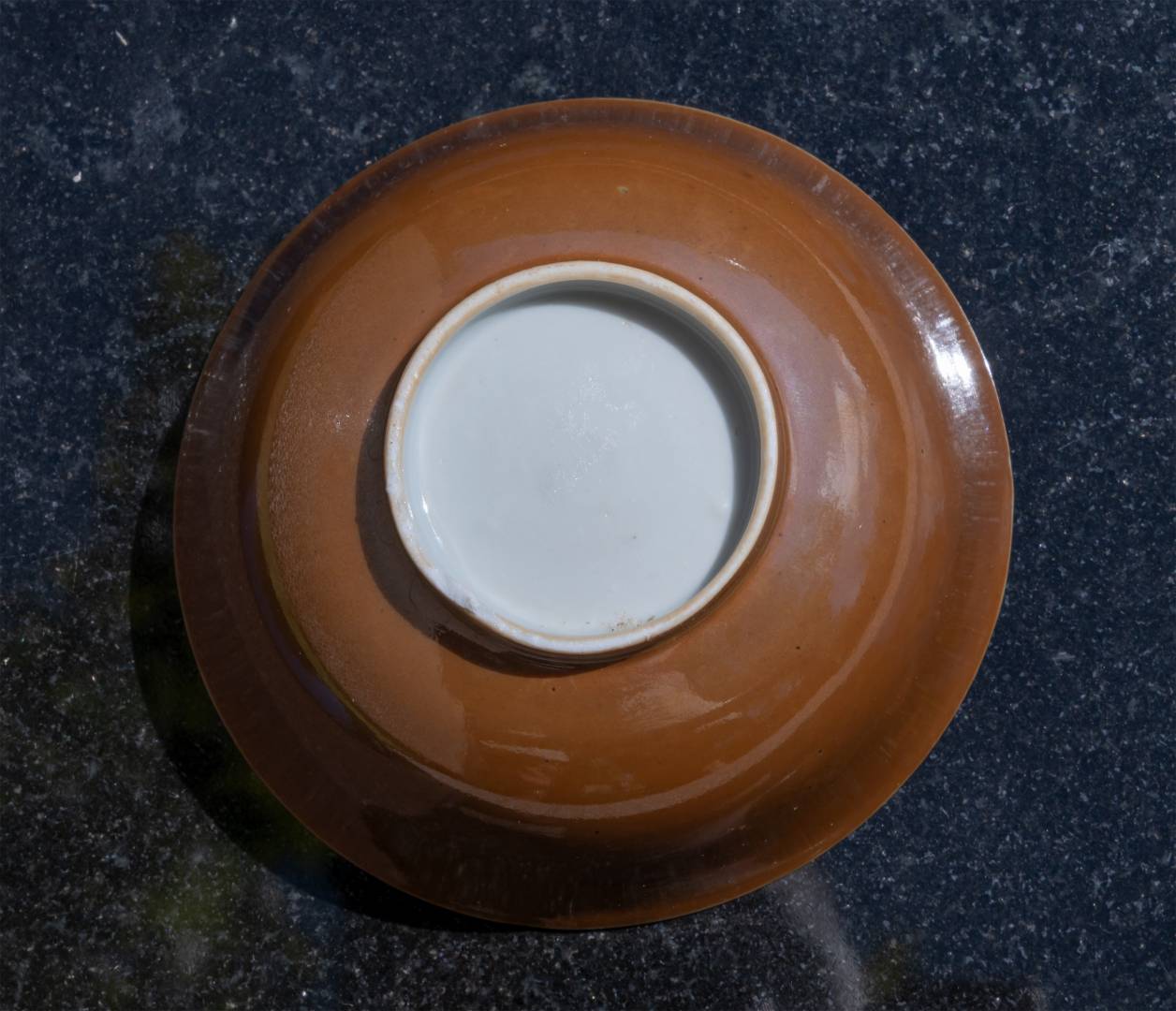
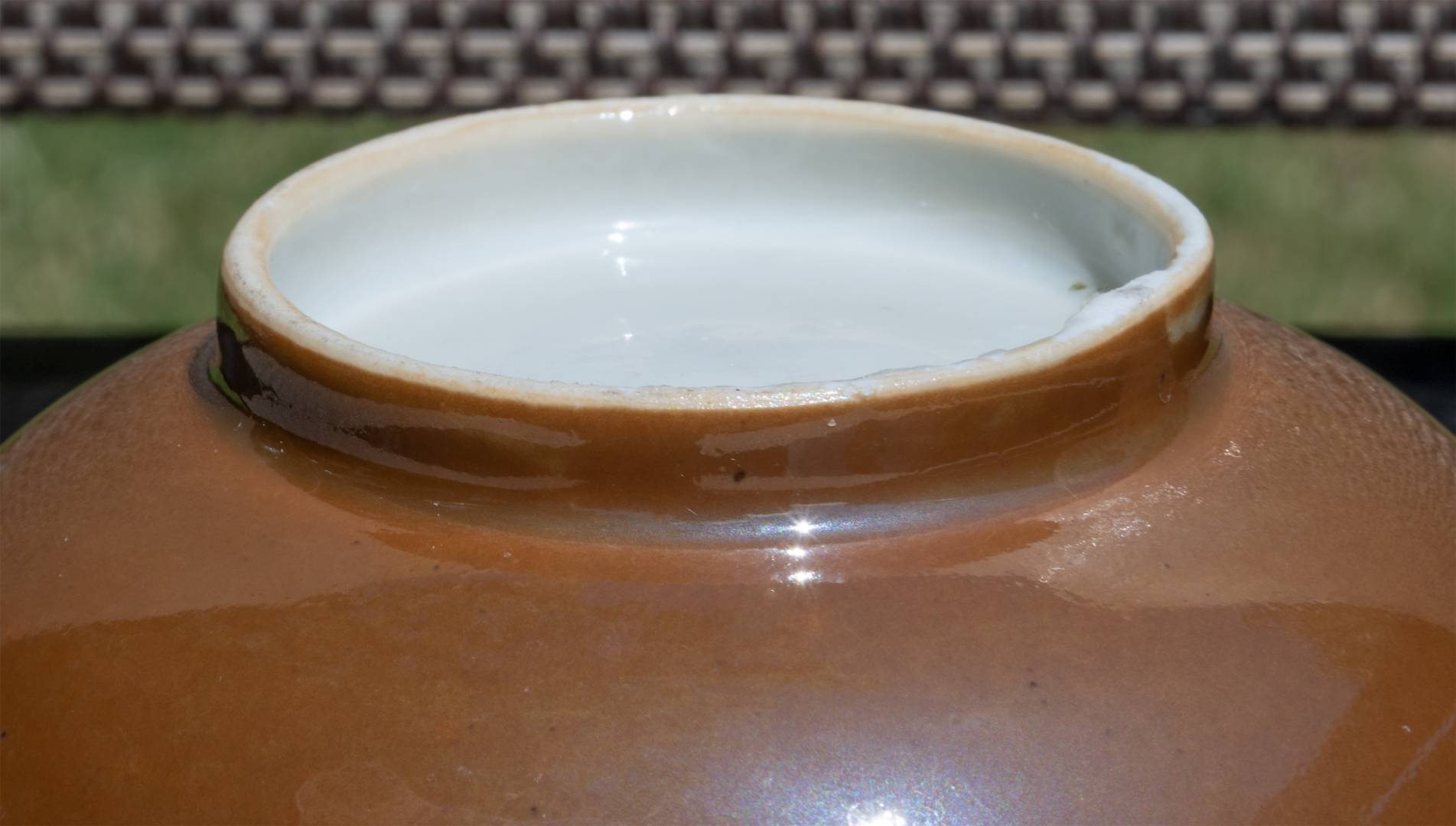
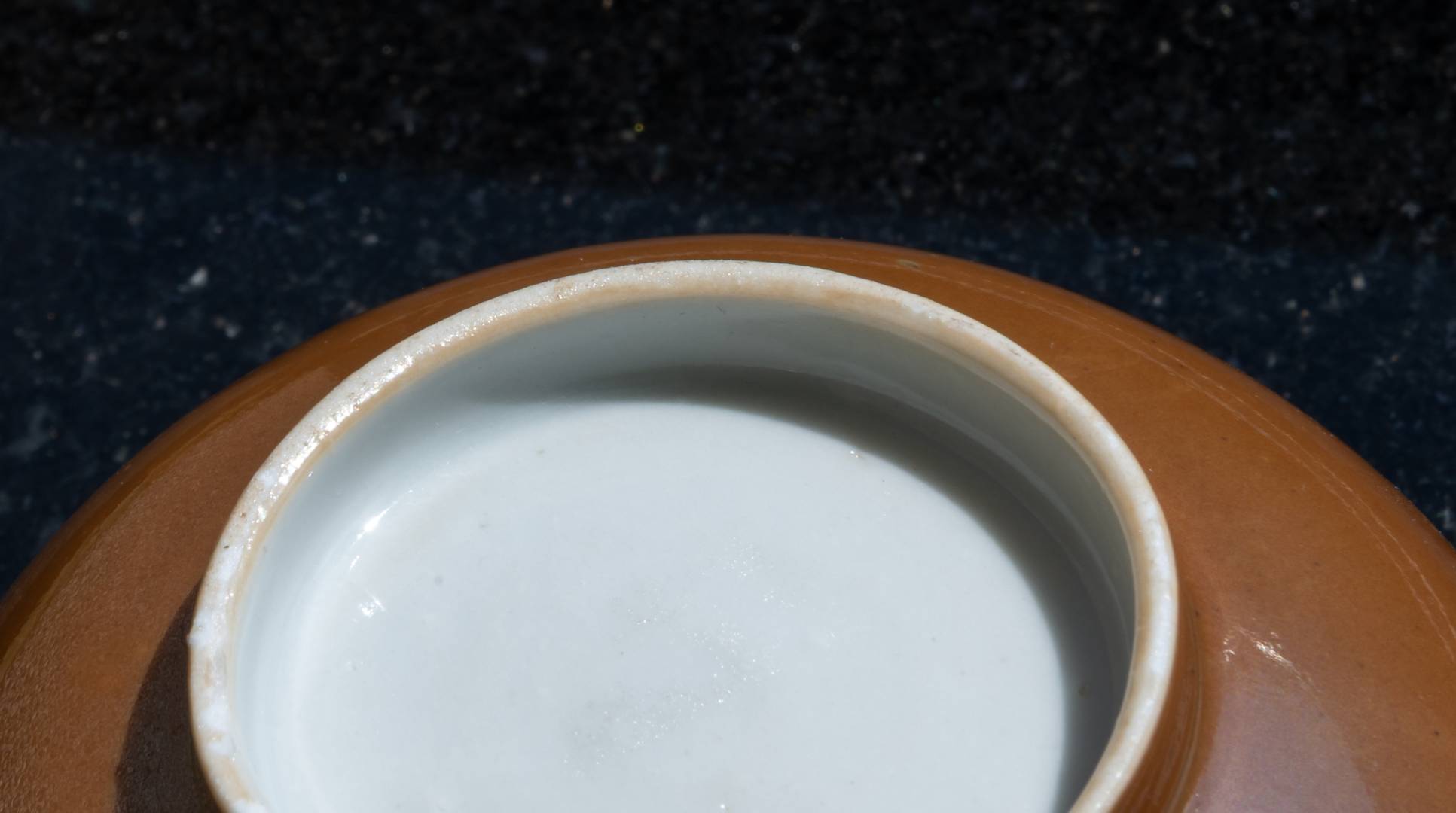
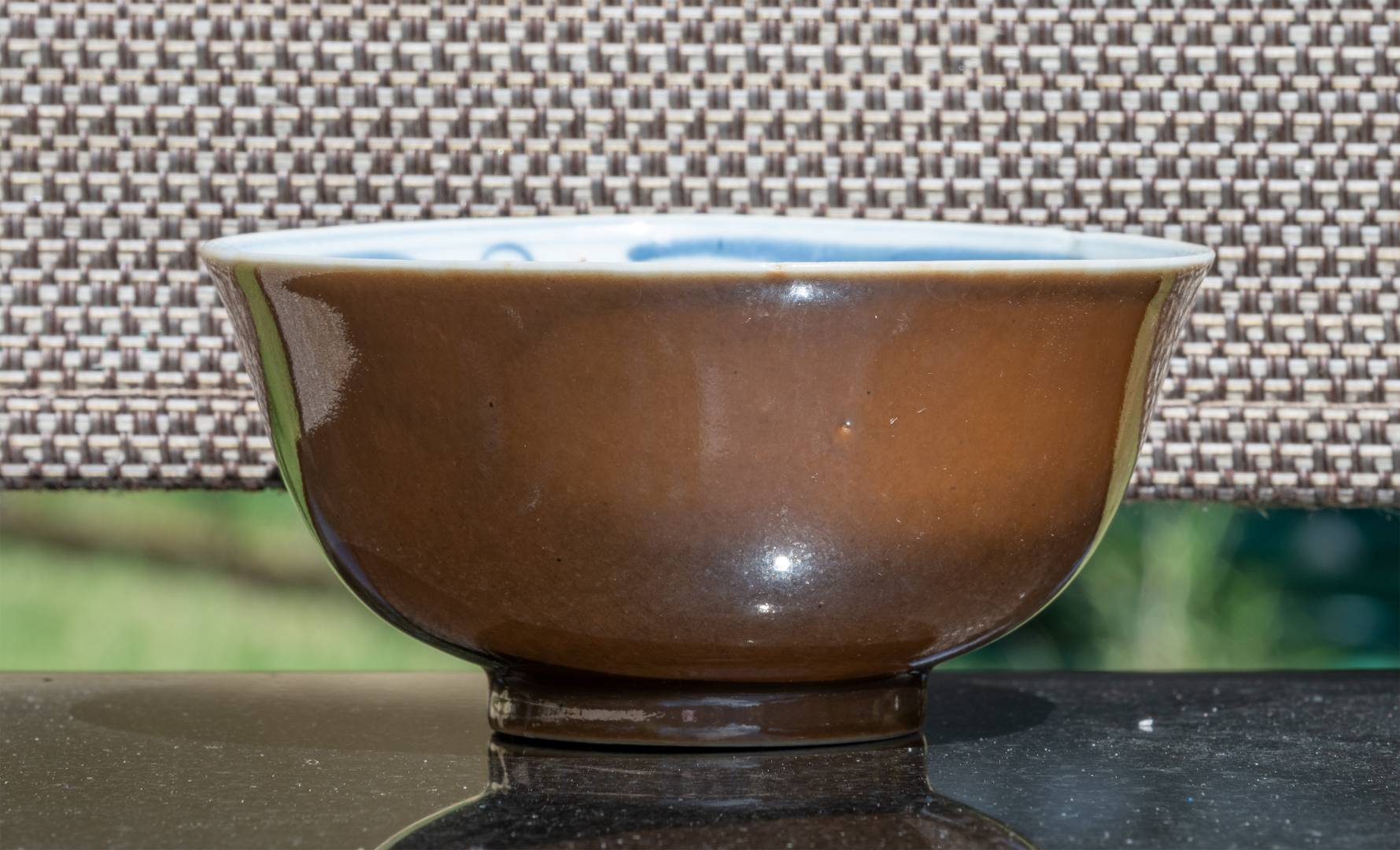
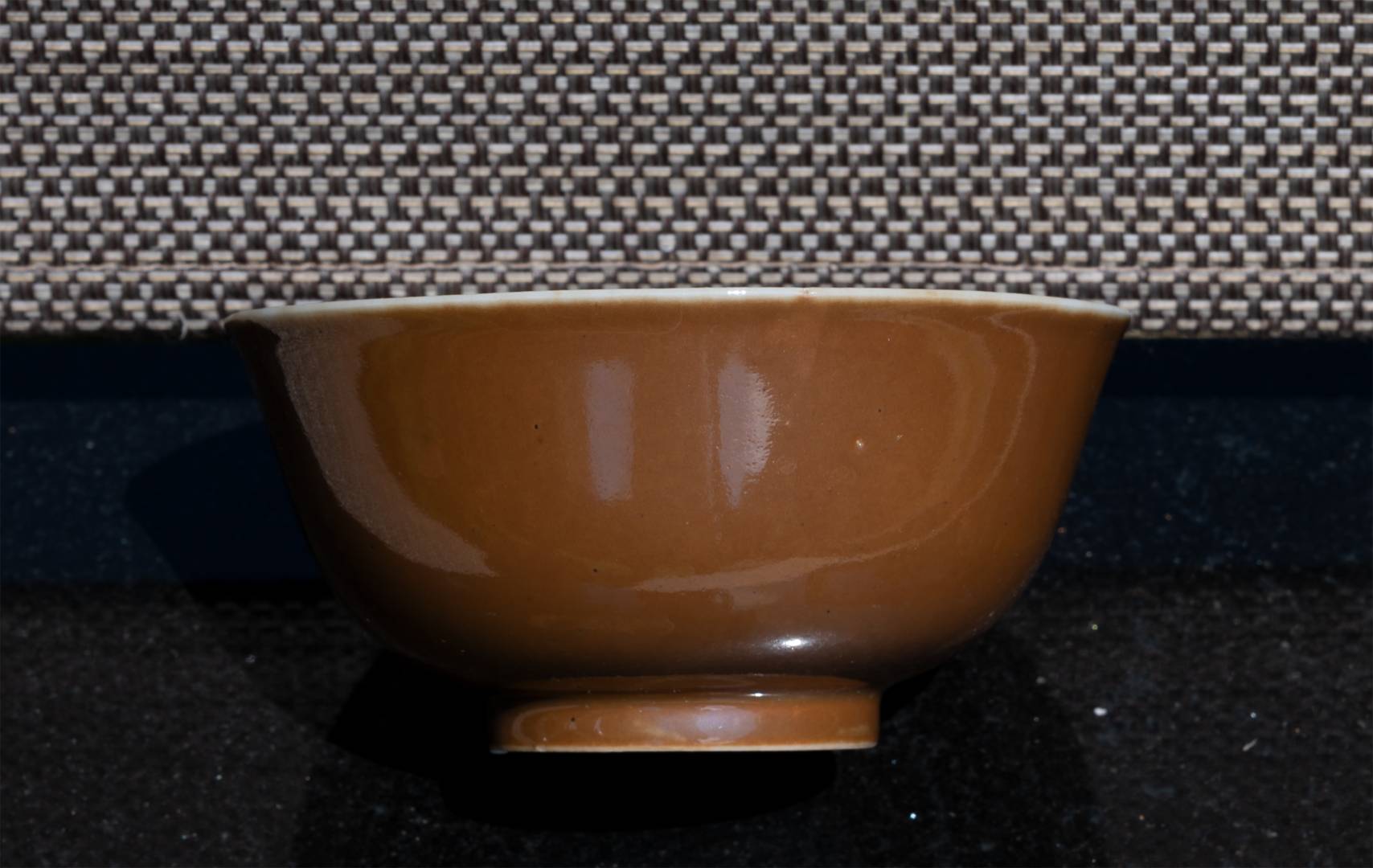
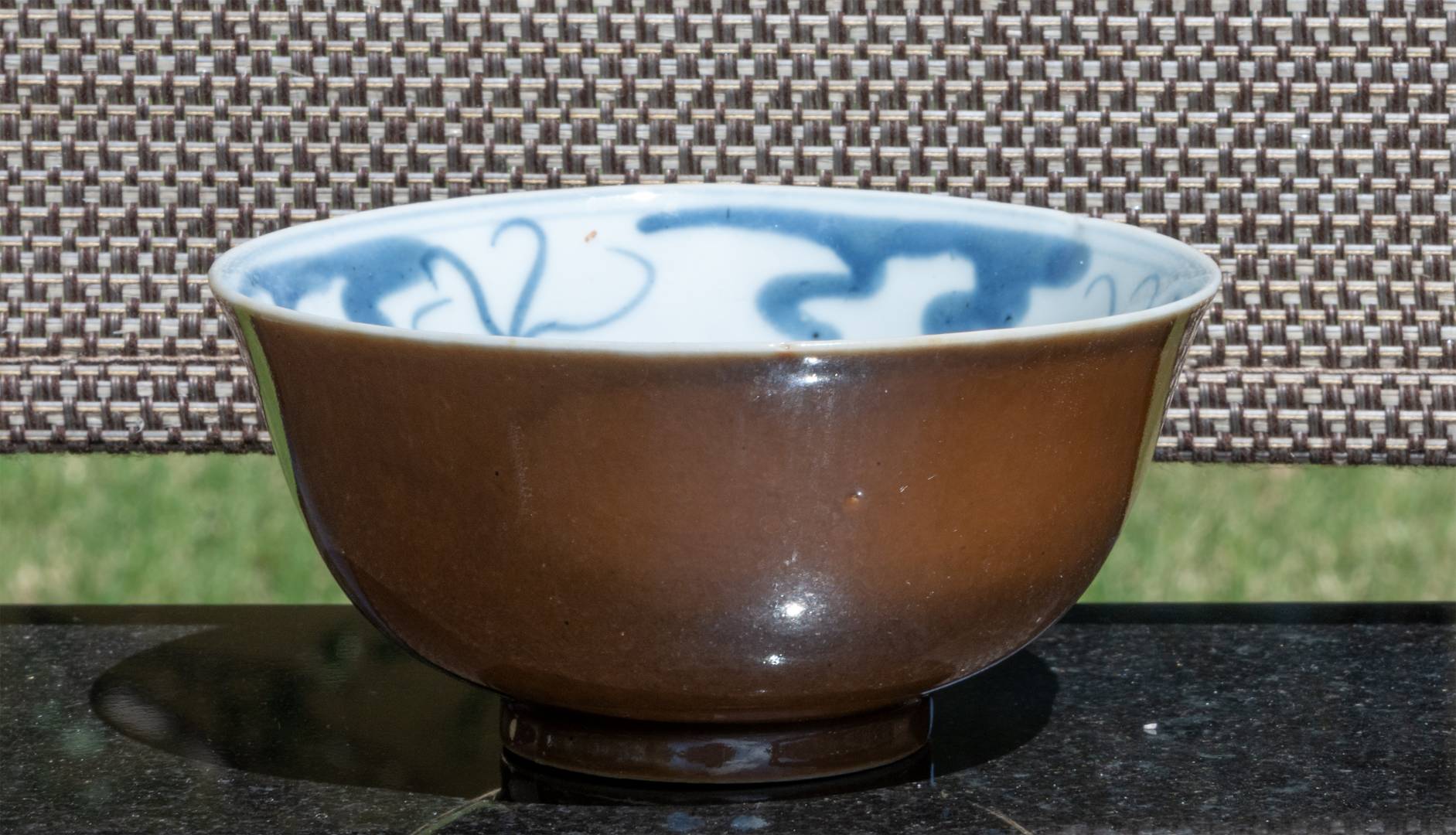
I am posting these mainly to make the point that Google AI, while it has improved tremendously, especially with respect to translating Chinese and Japanese, is still terrible at actually identifying and dating Chinese porcelain. The fact is, it pulls a lot of garbage off the internet, and reaches conclusions based on that unqualified information. Have any of you had similar experiences?
Thanks,
Charles

Yes, I wouldn’t rely on it, it can't discriminate between the correct and incorrect info it bases its conclusions on. It always pops up on my image searches now - with a disclaimer as to the accuracy of its opinion. However, sometimes it can be correct or offer useful leads, so I always glance at it.


Dear Charles,
I doubt your water pot is Kangxi, and personally, I wouldn't describe its glaze as peach bloom. But may I ask what its diameter is?
As Birgit and Julia have commented, AI hasn't quite replaced the human race just yet, at least not when it comes to appraising early Chinese porcelain.
Best wishes,
Alan

Hi Charles -
I can only add that the overall shape and proportions of the water pot are incorrect for Kangxi, and the colour does not exhibited the known peach bloom glaze characteristics seen on authentic pieces …
I would also add that AI, no matter how good it becomes, will never be able to describe the difference between a genuine example, later pieces produced in veneration, later pieces made as copies, and more recently examples produced as copies or fakes when personal seen, held and closely examined …
Stuart

Hi Sharon, I've been looking into AI for quite a while, and use Google AI and also ChatGPT. I have subscribed to ChatGPT which means that I can give it restrictions. For example, when I ask it a question, it is not allowed to look at forums, auction house listings etc to gather information. It is only allowed to look through Museums, accredited experts and the three major auction houses. It is also not allowed to express an opinion. Furthermore, it has to send a link to every research paper, Museum publication, etc where it has quoted an authority. This is very restrictive and filters out a lot of rubbish that's out there. What I like about my AI model is that I can double check everything it says when I'm researching. Therefore when I ask it a question about a charger and it says that the Arita Museum says "XYZ" then I click the link and read exactly what the Arita Museum says. Still there are errors but that's fine. It's only a computer program. Both Google AI and ChatGPT both tell me that for Japanese porcelain the algorithm is written to describe items as Meiji or Vintage because the probability is that pieces of this era are likely to exist rather than much older pieces. So the algorithm is weighted towards those descriptions. They also collect information from descriptions which themselves have been written by AI for sellers on eBay and other platforms. This then reinforces the errors until AI treats them as facts. Another important fact is that both AIs tell me that they are unable to tell between the different 'hues' and subtle colour tones and that I should always defer to a human opinion.
If I'm looking at something for sale on eBay, I do two things. First I copy and paste the description in ChatGPT and then ask it if it was written by AI. It then scans the description and gives me a probability score - 66% certainty, 90% certainty etc and also the reasons it came to that conclusion. If there's a high probability that it's written by AI I can completely disregard that description and start my own research. Secondly, I look at what other items the seller has. If it's a general dealer then I'm thrilled. It's a Godsend to someone like me because there are so many misidentified items out there. I hope this helps, it's an interesting topic.

Thank you and yes, it is an interesting topic and somewhat terrifying, "sing it again HAL."
You have found a way to make a useful tool of AI by setting parameters and limitations. It is my fervent hope that it remains an assistant.🙏
Dear Charles,
Your original post has prompted some valuable discussion, most notably on the merits or otherwise of an AI-assisted approach to connoisseurship. In the wake of this discussion, a question that I asked earlier is at risk of becoming submerged, so let me ask it again if I may. What is the diameter (across the base) of your water pot?
Best wishes,
Alan
Hi, Alan.
Sorry for the delay. The water pot is a shade under 5 inches across at the base; about 12 cm. I would agree with the comments above--I would never have ID'ed that color as "peachbloom"; it is a particular shade of orange red that I have come to associate with modern Chinese ceramics. I never thought this was anything but modern and was shocked and a little horrified when Google Photos AI (which uses the Google Gemini AI program), told me that it was Kangxi! In a way, it is good--what is the fun of collecting if it requires no special knowledge?
Charles
Dear Charles,
Thank you for that additional detail about the diameter of the base.
I was rather hoping that it would be somewhat less than around 12cm, which is the approximate width of the true Kangxi peach bloom examples, and I remain with my view, like that of the other Forum members who've posted above, that your pot isn't Kangxi.
However, why I was hoping to hear that the diameter of yours was somewhat less than it is, was because there is a small group of high quality copper-red glazed water pots, like yours bearing no reign mark, which have been dated to the Yongzheng/early Qianlong period, and I was wondering if it could associate with any of them. The only example I can instantly turn up was sold by Nagel, Stuttgart (5 November 2010 sale), but this had a smaller diameter, the sort of size that I was hoping yours might have had. (You might care to turn it up and look for yourself.)
That said, in other respects, I find myself hesitating before dismissing outright the possibility that your pot may be an eighteenth century case. Could you also describe the feel to the touch of the exposed paste on the foot rim?
Best wishes,
Alan
Hi Alan. I know what you are asking. It feels smooth, but doesn't have the soapy-smooth feel of early 18th century porcelain...
Dear Charles,
Thank you for checking. The major concern here would be that the paste should not feel positively coarse to the touch; while it is very hard indeed to form a reliable impression of such a thing as physical sensation based solely on a verbal description, what you have described seems nevertheless as if it could still fall within acceptable bounds for early eighteenth century ware. It is certainly not invariably the case that early eighteenth century ware (if by that we may also include the Yongzheng period) had the silky smooth texture of which you are aware. Though that is an encouraging thing to find, it's not a sine qua non.
Best wishes,
Alan
Thanks for visiting "The BidAmount Asian Art Forum | Chinese Art"
If you sell on eBay, or have a shop feel free to post images and descriptions and links.
Check back often for discussion about the latest news in the Chinese art and antique world. Also find out about the latest Asian art auctions at Sotheby's, Christie's, Bonhams and Tajans.
Auction results for: fine porcelain, ceramics, bronze, jade, textiles and scholar's objects. As well as Japanese, Thai, Vietnamese and other Asian cultures.
Thank you,
Peter Combs
Topics and categories on The BidAmount Asian Art Forum | Chinese Art
Kangxi vases, Kangxi dishes and chargers, Kangxi ritual pieces, Kangxi scholar's objects, Qianlong famille rose, Qianlong enamels, Qianlong period paintings, Qianlong Emporer's court, Fine porcelain of the Yongzheng period. Chinese imperial art, Ming porcelain including Jiajing, Wanli, Xuande, Chenghua as well as Ming jades and bronzes.

Join the BidAmount Chinese and Asian art discussion board and forum today
The BidAmount Asian Art Forum | Chinese Art
A free Asian art discussion board and Asian art message board for dealers and collectors of art and antiques from China, Japan, Korea, Thailand, Cambodia, Vietnam and the rest of Asia. Linked to all of the BidAmount Asian art reference areas, with videos from plcombs Asian Art and Bidamount on YouTube. Sign up also for the weekly BidAmount newsletter and catalogs of active eBay listing of Chinese porcelain, bronze, jades, robes, and paintings.
The art of calligraphy - and for the ancient Chinese it certainly was an art - aimed to demonstrate superior control and skill using brush and ink. Calligraphy established itself as one of the major Chinese art forms during the Han dynasty (206 BCE - 220 CE), and for two millennia after, all educated men were expected to be proficient at it.
The Museum’s collections of Asian art span nearly five millennia and encompass the cultures of China, the Himalayas, India, Japan, Korea, and Southeast Asia. In 2007, the Museum launched an initiative to create dedicated galleries for the collection, beginning with a gallery for the arts of Korea ...
Chinese art is full of symbolism, in that artists typically seek to depict some aspect of a totality of which they are intuitively aware.
China Online Museum is the finest online museum of Chinese art. It features Chinese calligraphy, painting, ceramics, bronzes, carving, and other artworks.
Chinese Ceramics & Works of Art. Overview Upcoming auctions Contacts Auction results ... Christie’s sales of Chinese ceramics and works of art showcase centuries of Chinese history. Held throughout the year in London, New York, Paris and Hong Kong, they attract a wide audience of collectors and connoisseurs vying for pieces as diverse as ...
Explore Asian Art Week. Contact the Specialist Department. Chinese Paintings ... Senior Specialist, Head of Sale. ehammer@christies.com. Tel:+1 212 641 5760. Bid in-person or online for the upcoming auction:Fine Chinese Paintings on 10 September 2019 at New York. Bid in-person or online for the upcoming auction:Fine Chinese Paintings on 10 ...
Discover an abundance of must-see art from all corners of a vast continent at Christie’s NY Asian Art Week. From contemporary classical and Chinese paintings to works with exemplary provenance from the Art Institute of Chicago, our Rockefeller Paza galleries will be full of ancient treasures and contemporary masterworks in a salute to the vibrant arts of Asia.
Sold to benefit The Art Institute of Chicago’s Asian Art Acquisition Fund, the sale features 84 lots with a focus on Ming and Qing porcelains, and offers a rare insight into the taste for collecting Chinese ceramics and works of art in the Midwest from the end of the 19th century through the 1980s. Highlights include two Wanli wucai garlic-head vases, a Qianlong mark and period, blue and ...
Specialist, Chinese Paintings, Christie's London Dr Malcolm McNeill is a Specialist in Chinese Paintings at Christie’s, based in London. He previously worked as an assistant curator of the Chinese collections and the Victoria and Albert Museum in London, as a researcher at the British Museum, and as a translator and tour guide at the National Palace Museum in Taipei.
The Christie's Education 2020 Conference: The Chinese Art Market 18 Jun 2019 Christie’s Education is delighted to announce our first international academic conference in Asia which will take place in Hong Kong from 26-27 November 2020 at the Hong Kong Convention and Exhibition Centre and will run in parallel with Christie’s Hong Kong Autumn Auctions.
The summer Chinese Art sale in Hong Kong will feature works of art from several private collections, including Qing porcelains and textile from the collection of the legendary Chinese art dealer A. W. Bahr (1877–1959), fine gilt bronze Buddhist sculptures from an old Hong Kong collection, an East Asian collection of Qing dynasty wine cups and jades, and a Japanese collection of Song ceramics ...
Sotheby's Chinese Works of Art Department holds two auctions each year in London, New York, Hong Kong and Paris.
Chinese Art - View Auction details, bid, buy and collect the various artworks at Sothebys Art Auction House.
With more than 340 Chinese works of art dating from the Neolithic to the Republic periods, highlights of this sale include a selection of Qing Imperial monochromes from the collection of Arnold and Blema Steinberg, early ceramics from the Art Institute of Chicago and Chinese porcelain and works of art from the collection of Henry Arnhold.
Results: Sotheby's Asia Week achieved $52.4 million in six strong auctions, exceeding pre-sale estimates. With 76.5% of lots sold and 60.3% of lots surpassing high estimates, the Asian art sales at Sotheby's indicate continued collector interest in the finest works of art from China, India and and the Himalayas.
Today's sale of Important Chinese Art will proceed as planned with sessions at 10 AM and 2 PM EDT. Sotheby's will be monitoring the weather conditions throughout the day and will be available to coordinate alternative bidding options should conditions make it difficult for clients to attend the auction in person.
Bonhams Chinese Art department is renowned for offering the finest works of art representing the richness and breadth of China's artistic heritage, particularly Imperial porcelain, white and spinach green jades, cloisonné and Buddhist art. Specialised international auctions are held globally, including London, Hong Kong and San Francisco.
Bonhams : Chinese Works of Art We use cookies to remember choices you make on functionality and personal features to enhance your experience to our site. By continuing to use our site you consent to the use of cookies. Please refer to our privacy and cookie policies for more information.
Bonhams Fine Art Auctioneers & Valuers: auctioneers of art, pictures, collectables and motor cars. We use cookies to remember choices you make on functionality and personal features to enhance your experience to our site. By continuing to use our site you consent to the use of cookies. ... Chinese Art (US) General enquiries
Bonhams : Fine Chinese Art We use cookies to remember choices you make on functionality and personal features to enhance your experience to our site. By continuing to use our site you consent to the use of cookies. Please refer to our privacy and cookie policies for more information.
Bonhams Fine Art Auctioneers & Valuers: auctioneers of art, pictures, collectables and motor cars Bonhams : Asian Art We use cookies to remember choices you make on functionality and personal features to enhance your experience to our site.
Bonhams are international auctioneers of fine Chinese and Japanese art. We specialise in rare Imperial and Export Chinese ceramics and works of art, as well as Japanese ceramics, fine and decorative works of art from the Neolithic Period to the 20th century. View on map
Bonhams Fine Art Auctioneers & Valuers: auctioneers of art, pictures, collectables and motor cars. We use cookies to remember choices you make on functionality and personal features to enhance your experience to our site. By continuing to use our site you consent to the use of cookies. ... Asian Art Bonhams. Work. 22 Queen St.